
No products in the basket.
Every workplace needs the right first aid supplies for its workers. However, the number of first aiders needed can vary from one workplace to another. How many first aiders are required for a workplace UK depends on several factors. These include workplace size, staff numbers, work type and possible risks.
UK employers must provide first aid arrangements that suit their workplace needs. A small office may need fewer first aiders than a busy construction site. Shift work can also affect the number of trained first aiders needed. Employers should also plan cover for holidays, sickness and other absences. This helps ensure someone trained can provide first aid when needed.
This guide explains workplace first aid rules in simple terms. It also explains how to assess your needs and choose suitable training.
How Many First Aiders are Required for a Workplace UK by Law?
UK law does not set one fixed number of first aiders for every workplace. Employers must check their first aid needs before choosing the right cover. They should consider staff numbers, workplace size, work type and possible risks. Shift patterns, holidays, sickness and other absences also matter.
Low-risk workplaces, such as small offices, may need fewer first aiders. However, high-risk workplaces need more first aid support. Construction sites, factories and warehouses can have more workplace dangers. Therefore, they may need more trained first aiders and suitable first aid equipment.
What Does UK Law Say About Workplace First Aid?
The Health and Safety (First-Aid) Regulations 1981 set workplace first aid rules. Employers must provide suitable first aid for their workers. The level of cover should match the workplace needs and risks. Therefore, employers must assess their own first aid needs.
HSE guidance suggests first aider numbers for different workplaces. However, these numbers are not fixed legal rules. Employers should consider staff numbers, workplace size, risks and work activities. They should also consider shifts, holidays, sickness and other absences. This helps ensure enough first aid cover at all times.
How Many First Aiders are Required for a Workplace UK by Staff Numbers?
Staff numbers can affect the amount of first aid cover a workplace needs. However, there is no fixed legal ratio for every workplace. Employers should assess their workplace before choosing the right level of cover. The table below gives simple guidance for different staff numbers.
- Fewer than 5 workers: A selected person may be suitable for low-risk work.
- 5–24 workers: An appointed person may suit low-risk workplaces.
- 25–50 workers: At least one trained first aider may be suitable.
- Over 50 workers: More first aiders may be needed as staff numbers grow.
- Higher-risk work: Workplaces may need more trained first aiders.
- Final decision: A first-aid needs assessment decides the right level of cover.
What Number of First Aiders Does a Low-Risk Workplace Need?
Low-risk workplaces usually have fewer dangers and fewer serious injuries. Offices, small shops and similar workplaces often have lower risks. An appointed person can manage basic first aid arrangements. They can look after first aid equipment and contact emergency services. Larger workplaces may need trained first aiders for better cover.
The number needed depends on staff numbers and workplace size. However, some activities can increase the level of risk. For example, shops with storage areas may have extra hazards. Employers should review their first aid needs when work changes. This helps keep first aid cover suitable for the workplace.
How Many First Aiders Does a Higher-Risk Workplace Need?
Higher-risk workplaces have a greater chance of accidents and serious injuries. Construction sites, factories and manufacturing workplaces often have these risks. Workers may use machinery, tools, chemicals or other dangerous equipment. Therefore, these workplaces usually need stronger first aid cover. A common guide suggests one FAW first aider for every 50 workers.
However, this figure is only general guidance, not a strict rule. Special hazards can also require extra first aid training. Some workplaces may need more first aiders because of their risks. Employers should consider staff numbers, shifts and workplace activities. A first-aid needs assessment should decide the final level of cover.
What Factors Decide How Many First Aiders You Need?
Several things can affect how many first aiders your workplace needs. Staff numbers matter, but they are not the only factor. Employers should check the work type, workplace size and possible dangers. HSE guidance recommends considering these points when checking first aid needs.
Employers should also consider floors, work areas, shifts and lone workers. Remote workers and past accidents can also affect first aid needs. They should plan cover for holidays, sickness and other absences. Visitors and members of the public may also need first aid help. The distance from emergency services also matters.
Why Do Shift Patterns Affect Workplace First Aid Cover?
Shift patterns can change how much first aid cover your workplace needs. One first aider cannot cover every shift or working hour. Employers should make sure trained help remains available during all shifts. They should also plan for holidays, sickness and sudden absences.
- Night shifts: Workers still need first aid cover outside normal hours.
- Weekend work: Employers should provide cover when staff work weekends.
- Staff holidays: Another first aider can cover planned holidays.
- Sickness: Backup first aiders can cover unexpected sickness.
- Shift changes: Different shifts can increase the number of first aiders needed.
What is the Difference Between a First Aider and an Appointed Person?
An appointed person manages the workplace first aid arrangements. They check first aid supplies and call emergency services when needed. They do not need formal first aid training in every case. This role can suit small, low-risk workplaces with fewer hazards. An EFAW first aider completes Emergency First Aid at Work training.
They can provide basic emergency first aid to injured workers. An FAW first aider completes First Aid at Work training. They have wider first aid skills for workplace injuries and emergencies. An appointed person does not replace a trained first aider. Higher-risk workplaces usually need trained first aiders for proper cover.
What First Aid Training Should Workplace First Aiders Complete?
Workplace first aiders can complete different types of approved training. Emergency First Aid at Work (EFAW) covers basic emergency first aid skills. It suits many low-risk workplaces with simple first aid needs. The course usually takes one day to complete. First Aid at Work (FAW) provides wider first aid skills. It usually takes three days and covers more workplace injuries.
If your workplace has more risks, you may need FAW-trained first aiders. This course teaches workers how to handle serious injuries and emergencies. Both EFAW and FAW certificates usually last for three years. After three years, first aiders need to take the course again. HSE also suggests regular refresher training during this time. This helps first aiders keep their knowledge and skills up to date.
How Should Employers Complete a First-Aid Needs Assessment?
Employers should check their workplace before deciding on first aid cover. A simple needs assessment can help find the right level of support. It should look at workers, risks, work areas and working hours. Employers should also review the assessment when workplace conditions change.
- Check workplace hazards: Identify anything that could cause injury or illness.
- Count workers: Include everyone who works on the site.
- Check shifts: Look at working hours, night shifts and weekends.
- Review accidents: Check past accidents, injuries and work-related illness.
- Check the workplace: Consider its size, layout and different areas.
- Consider worker needs: Review if anyone needs extra first aid support.
- Plan absence cover: Make sure cover remains during holidays and sickness.
- Include visitors: Think about visitors, contractors and other people onsite.
- Choose training: Decide between EFAW, FAW or other suitable training.
- Review regularly: Update the assessment after important workplace changes.
What First Aid Equipment Should a UK Workplace Have?
Good first aid equipment helps workers deal with injuries quickly. Employers should provide suitable first aid boxes for their workplace. These boxes should contain items needed for common injuries. Workers should also have an easy way to contact emergency services. Larger or higher-risk workplaces may need extra equipment or a first-aid room.
First aid equipment should stay clean, complete and easy to reach. Everyone should know where to find it during an emergency. The workplace risk assessment should decide what equipment you need. Employers should check supplies often and replace used or damaged items. This helps keep first aid ready when someone needs it.
When Should a Workplace Review Its First Aid Provision?
First aid needs can change when a workplace changes. Employers should review their first aid cover regularly. More workers, new equipment or new work processes can create new risks. Moving to a new workplace can also change first aid needs. Employers should review their arrangements after accidents or serious incidents.
New shifts or working patterns can also affect first aid cover. They should check cover when first aiders take holidays or become sick. Regular reviews help employers spot problems before an emergency happens. Employers should not wait for an accident before checking their first aid provision.
What Should Employers Do to Meet Workplace First Aid Needs?
Employers should take simple steps to keep workers safe at work. First, they should check the workplace and find possible risks. Then, they should choose the right first aid training. They also need enough first aiders, equipment and cover for all shifts.
- Check first aid needs: Look at workplace risks and staff numbers.
- Choose training: Pick the right first aid course for the workplace.
- Have enough first aiders: Make sure every shift has suitable cover.
- Keep equipment ready: Keep first aid boxes easy to find and use.
- Tell workers: Make sure everyone knows who the first aiders are.
- Plan and review: Arrange cover for absences and check needs regularly.
Final Thoughts
Knowing how many first aiders are required for a workplace UK helps employers plan proper cover. The right number depends on staff numbers, work type and workplace risks. Shifts, workplace size and staff absences can also affect this number. Employers should check their first aid needs before choosing the right cover. They should also provide suitable training and keep first aid equipment ready. Regular checks help ensure workers have first aid support when they need it.
Want to improve your workplace first aid skills? Join our Workplace First Aid Training to gain the skills and confidence.
FAQs
1. Does a workplace legally need a first aider?
- UK law does not require every workplace to have a trained first aider. However, employers must provide suitable first aid arrangements. A first-aid needs assessment helps decide what the workplace needs.
2. What is the 3 rule of first aid?
- The three basic first aid steps are Check, Call and Care. First, check the situation and the injured person. Then, call for help and provide suitable first aid.
3. Can I refuse to be a first aider at work?
- In most cases, employers cannot force you to become a first aider. You should agree before taking first aid training. Talk to your employer if you do not want this role.
4. What are the HSE requirements for first aid at work?
- HSE requires employers to provide suitable first aid arrangements. Employers should assess workplace risks, staff numbers, work activities and shifts. They should also provide suitable equipment and trained people where needed.
5. How many first aiders do I need at work?
- There is no fixed number for every workplace. The right number depends on your staff, risks, workplace size and working hours. A first-aid needs assessment should decide the number needed.
6. What are the HSE Legislation updates for 2026?
- The Health and Safety (First-Aid) Regulations 1981 set out the key first aid requirements for UK workplaces. Employers should follow current HSE guidance and review their first aid needs regularly.
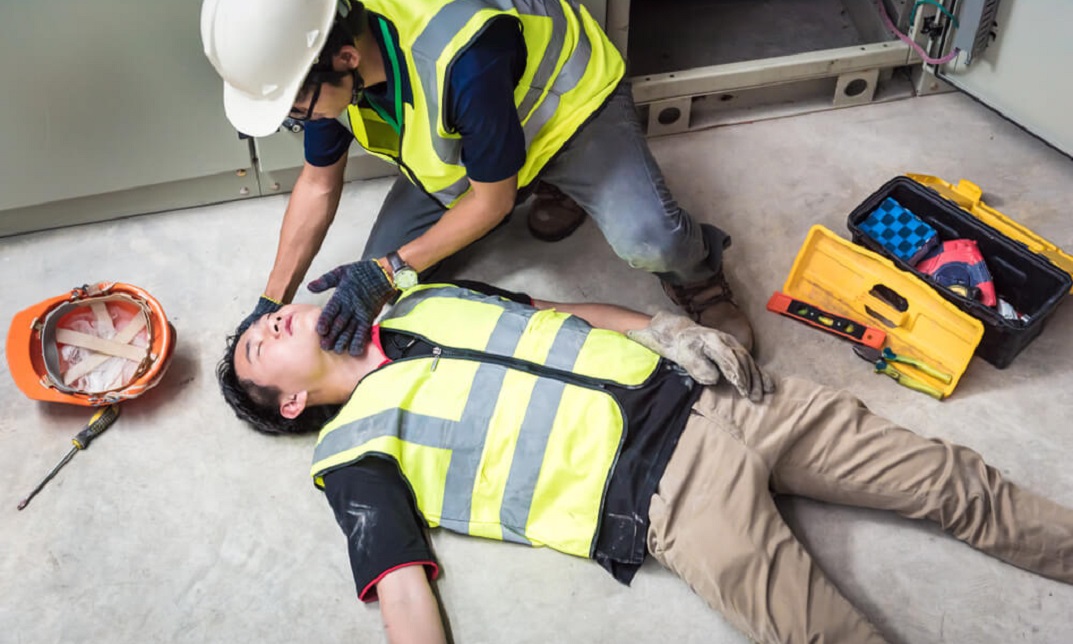
Workplace First Aid Training
Course Description :
- Certificate: Yes(Free)
- Accreditation: CPD Accredited
- Access: Lifetime