
No products in the basket.
Sports coaching or personal training? Both are rewarding, but their day-to-day work, clients, and goals are very different. A sports coach helps teams or athletes perform at their best. They focus on improving skills, tactics, and overall performance in a specific sport. On the other hand, a personal trainer works with individuals to improve fitness, health, and daily habits. They guide clients on exercise, nutrition and lifestyle changes to reach personal goals. Both roles need dedication and a passion for helping others. However, the way you work, the people you help, and the skills you use can be very different.
So, let’s take a closer look at the main differences between a sports coach and a personal trainer.
What Is a Sports Coach?
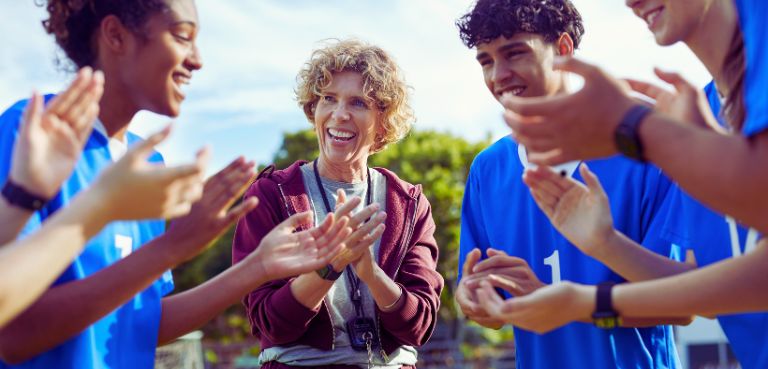
A sports coach trains athletes or teams to perform at their best in a specific sport. First, they plan practice sessions, teach new skills, and show the right techniques. Then, they focus on game strategies and help players build confidence.
At the same time, coaches watch athletes closely and give feedback to help them improve. They guide teams step by step and support players both physically and mentally. In short, a sports coach helps athletes grow, perform better, and reach their full potential.
Becoming an exceptional coach, however, takes more than just passion for the game. It requires a deep understanding of leadership, training methods, and motivation. To explore these essential skills in detail, check out our in-depth guide: How to Become an Elite Sports Coach – The Key Components.
What Is a Personal Trainer?
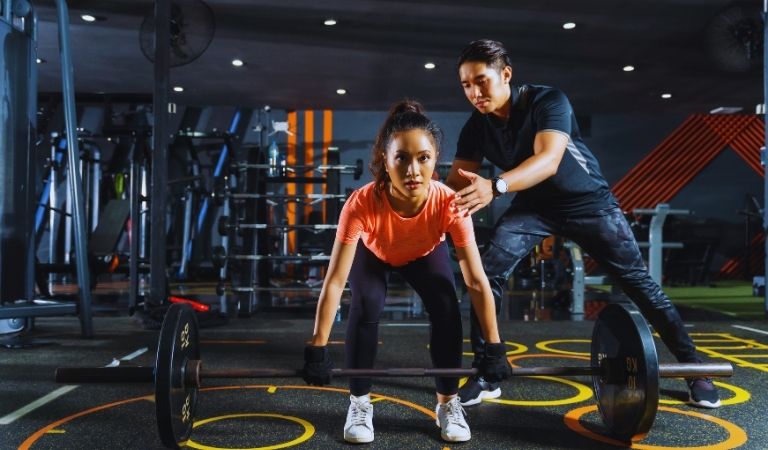
A personal trainer is a fitness expert who helps individuals improve their health and fitness. To start, they design custom programs to build strength, improve endurance, and reach personal fitness goals. After that, they guide clients on exercise techniques, nutrition tips, and healthy habits that last long-term.
Meanwhile, personal trainers track progress and adjust programs to keep clients moving forward. They motivate and support people every step of the way. Shortly, a personal trainer works with people to boost fitness, health, and confidence in their daily lives.
Who Do They Work With (Teams vs Individuals)?
Both sports coaches and personal trainers help people improve. However, the groups they work with are very different. To make it clear, here’s a look at who each usually trains:
A sports coach mostly works with:
- Teams competing in a sport
- Club or squad groups
- Individual athletes at any level
- Youth or junior athletes learning skills
- Elite or professional athletes
- School, college, or club players
A personal trainer usually works with:
- Individuals one-on-one
- Small groups
- People with goals like fat loss, strength, or rehab
- Beginners starting a fitness routine
- Those improving overall health
- Clients preparing for events like marathons
What Are the Main Goals: Performance vs Fitness?
Sports Coach Goals
A sports coach focuses on helping athletes or teams perform at their best. Their main goals are:
- Improving skills and technique
- Developing game tactics
- Building mental focus and a winning mindset
- Achieving consistent performance in matches and competitions
Personal Trainer Goals
A personal trainer focuses on helping individuals get fitter and healthier. Their main goals include:
- Increasing strength, endurance, and flexibility
- Improving body composition and overall fitness
- Supporting fat loss, muscle gain, or rehabilitation goals
- Encouraging healthy habits and lifestyle changes that last
What Does a Sports Coach Do Day to Day?
A sports coach has a busy and varied role to help athletes and teams perform at their best. To start, they plan the season and set long-term goals. Then, they design training sessions and run drills to improve skills, technique, and teamwork. At the same time, they analyse performance using video and statistics, prepare athletes for matches, and select players for games.
In addition, coaches give feedback to help athletes improve. They make sure all players stay safe and follow safeguarding rules. Coaches also communicate with parents, club staff, and other professionals. Finally, they coordinate basic strength and conditioning work to support overall performance.
What Does a Personal Trainer Do Day to Day?
A personal trainer has a busy role helping people reach their fitness and health goals. First of all, they meet clients for consultations and carry out assessments to understand fitness levels and needs. After that, they create personalised training programs and guide clients through coaching sessions. Meanwhile, they provide advice on habits and nutrition within their scope and track progress to make improvements.
On top of that, personal trainers manage schedules, check in with clients, and sometimes handle sales or marketing to grow their business. All in all, their day is a mix of planning, coaching, motivating, and supporting clients every step of the way.
What Qualifications Do You Need to Be a Sports Coach?
If you want to be a sports coach, the first step is earning key qualifications in your field. These include:
- Foundation coaching award – Level 1 or Level 2 from your national governing body
- Safeguarding and first aid – essential for athlete safety and wellbeing
- Higher-level licences – to advance your coaching skills
- Specialist CPD courses – such as youth coaching, performance coaching, or strength & conditioning
These qualifications help you develop the skills needed to coach safely, effectively, and confidently.
Additional Qualifications
Many coaches take extra courses to boost their skills. To begin with, they may study sports psychology to help athletes stay motivated and focused. They also take nutrition courses to support performance and recovery. In the same way, advanced strength and conditioning, disability or inclusive coaching, and leadership courses are common too. Finally, coaches keep first aid and CPR certificates up to date. These extra skills help them coach safely and effectively.
What Qualifications Do You Need to Be a Personal Trainer?
Becoming a personal trainer starts with the right steps and qualifications. First, you need a:
- Gym Instructor or fitness foundation qualification – this is your entry point into the fitness world
- Personal Trainer certification – usually Level 3 in the UK or an equivalent qualification
Next, you can take additional CPD courses to specialise and stand out. These include:
- Strength training
- Nutrition support
- Pre- and post-natal fitness
- Corrective exercise
All of these qualifications give you the skills, confidence, and knowledge to design safe, effective, and personalised programs that truly help your clients reach their goals.
Do Sports Coaches and Personal Trainers Need Insurance and First Aid?
Yes, every sports coach and personal trainer must have the right insurance and first aid training. The first thing to do is arrange professional indemnity insurance and public liability to protect themselves and the people they work with. In addition, most employers and venues require up-to-date first aid and CPR/AED certificates. They also expect safeguarding training, especially when working with young athletes. Above all, keeping these certificates current ensures you can work safely, confidently, and professionally every day.
Where Do They Work (Gyms, Schools, Clubs, Private Sessions)?
Sports coaches and personal trainers work in different environments. For example, sports coaches usually work in:
- Clubs and academies
- Schools and colleges
- Universities and community programs
- National governing bodies
On the other side, personal trainers often work in:
- Commercial or independent gyms and studios
- Corporate wellness programs
- Online or remote sessions
- Home or outdoor personal training sessions
As a summary, a sports coach mainly focuses on teams and athletes, while a personal trainer works with individuals or small groups in flexible settings.
Who Earns More: Sports Coach or Personal Trainer?
Earnings for sports coaches and personal trainers can vary a lot depending on experience, location and how they work. For example, personal trainers often earn more per hour through one-on-one sessions, packages, or online coaching. At the same time, they need to manage clients and deal with cancellations.
As a rough guide, entry-level PTs earn around £24,000 per year, usually at about £25 per hour. Experienced trainers with specialist skills can make £38,000 or more, and in big cities like London, earnings can reach £60,000+.
On the other hand, sports coaches usually earn a steady salary. Starter coaches make around £19,000 per year, while experienced coaches earn about £28,000. Pay can be higher in elite setups or for those with professional playing experience.
Keep in mind, these figures are approximate. It’s always a good idea to check local rates, think about your career goals, and consider the cost of living.
Which Role Has More Flexible Hours?
Personal trainers usually make their own schedules. For example, mornings and evenings are popular because that’s when clients are free. At the same time, they need to fit in with clients’ availability, which can include weekends or odd hours.
By comparison, sports coaches follow training and match calendars. This means evenings, weekends, and sometimes holidays. So, while both jobs offer some flexibility, they also need to adjust to other people’s schedules.
Can One Person Be Both a Sports Coach and a Personal Trainer?
Yes, many people can do both. In fact, doing coaching and personal training together can help you learn more skills and work with more clients. However, it’s important to keep the two services separate. Sports sessions should be different from regular fitness workouts. Also, clearly explain your role and handle any problems, especially in busy times. This builds trust and helps all clients get the best results.
Which Career Is Right for You?
Choosing the right career depends on what motivates you. Specifically, if you love tactics, team spirit, and competition, a career as a sports coach could suit you perfectly. As a different choice, if you enjoy working one-on-one, tracking fitness progress, and helping people improve their health, personal training may be a better fit.
Additionally, think about who you want to help, when you want to work and whether you prefer a steady salary or self-employment. Pick the path that matches your passion, lifestyle, and long-term goals.
Final Thoughts
If you want to become a sports coach or a personal trainer, the best way is to start small and build up. First, take a basic course to build your knowledge. Then, work with real people to practise what you’ve learned. Focus on one area you enjoy the most and keep learning as you go.
Next, make a simple portfolio. Add your session plans and the progress your clients or athletes make. This shows your growth and skill in a real way. With time, your confidence will grow too. Many begin as a sports coach and later explore personal training or even do both. The key is to stay active, keep improving, and let your work tell your story.
If you’re serious about turning your passion into a real career, Training Tale is the best place to begin. Training Tale offers both Sports Coaching and Personal Trainer courses. So, don’t be late. Enrol today and start building your future!
FAQs
- What does a sports coach do?
A sports coach trains athletes or teams to improve skills, performance, and game strategies.
- What is a sports coach called?
They are simply called a sports coach, or sometimes an athletic coach.
- What is the salary for a sports coach?
Starter coaches earn around £19,000/year; experienced coaches make about £28,000/year, with higher pay in elite setups.
- What skills does a sports coach need?
Key skills include communication, leadership, tactical knowledge, motivation, and planning.
- What are the 5 responsibilities of a coach?
Planning sessions, teaching skills, analysing performance, giving feedback, and ensuring athlete safety.
- What are the 7 P’s of coaching?
Purpose, Picture, Plan, Part, Practice, Performance, and Praise—steps to guide effective coaching.
- What qualifications do I need to be a coach?
Foundation coaching award (Level 1/2), safeguarding & first aid, higher-level licences, and specialist CPD courses.