
No products in the basket.
‘What is plumbing?’ is a common question many beginners ask today. It explains how water moves safely inside your home. Therefore, plumbing helps you get clean water for daily use. It also removes dirty water to keep your house hygienic. Moreover, UK water systems use over 426,000 kilometres of pipes to supply water. Hence, modern homes depend on plumbing every single day.
However, many people do not understand how plumbing actually works. This guide explains everything in simple terms. It also covers pipes, drains, and basic systems clearly. Moreover, reports show that over 30% of home water issues come from poor plumbing. Because of this knowledge, you can prevent problems and protect your home easily.
What is Plumbing?
Plumbing is a complex system of pipes, fixtures, and fittings for water supply. Additionally, it serves as the main method for removing dirty waste from the building. Many different parts work together to make this vital system function perfectly. Specifically, it includes strong pipes, control valves, floor drains, and various bathroom fixtures.
What does plumbing do?
Plumbing delivers clean water to your home for daily use. It also removes wastewater safely to keep your environment hygienic. Moreover, it supports health by preventing germs and bad smells. Therefore, plumbing plays a key role in modern living.
- Provides clean water for washing, cooking, and drinking
- Removes dirty water and waste safely
- Prevents bad odours from entering the home
- Supports hygiene and public health
- Helps heat water for baths and cleaning
Why is Understanding What is Plumbing Important?
How do pipes actually move water through your house every single day? It is a very clever system that uses two main natural forces. First, high pressure pushes the clean water inside from the street main. This pressure ensures that water reaches the highest shower in your flat.
Second, the force of gravity pulls the dirty wastewater down the drain pipes. Consequently, this waste travels through a large pipe directly into the city sewer. The system uses air vents to keep the water flowing very smoothly. Without these vents, your sinks would make a very loud and scary noise.
- The Water Supply System: This system brings fresh water into your home under very high pressure. It uses a network of strong copper or plastic pipes to reach taps.
- The Drainage System: This network uses gravity to carry waste away from your sinks and toilets. It also includes “traps” to stop bad sewer smells from entering your rooms.
- The Gas System: Plumbers also install pipes that carry natural gas for your kitchen cooker. This system requires very high safety standards to protect everyone in the building.
To learn more about daily plumbing tasks, safety tips, and maintenance advice, check out our full blog, What Does a Plumber Do? A Complete Guide for UK Homeowners
Types of Plumbing Systems in Homes
There are three main categories of plumbing that exist in the world today. Firstly, residential plumbing is the most common type found in houses and small flats. Secondly, commercial plumbing handles the large water needs of big malls and tall offices. Finally, industrial plumbing deals with the complex pipe needs of massive factories and plants.
Interior plumbing systems
Interior plumbing deals with all the water inside your home’s walls. Consequently, most pipes stay hidden behind your beautifully painted walls. They carry fresh water into your warm, modern kitchen. Furthermore, these systems include the complex drains under your sinks. You use these pipes every time you wash your hands. Finally, they manage the hot water for your evening bath.
Exterior plumbing systems
Exterior plumbing manages the water outside of your home’s walls. Mostly, this includes the gutters that catch heavy roof rain. Furthermore, it features the taps you use for garden plants. Outdoor pipes carry rainwater into a large underground tank. Consequently, these pipes prevent your garden from flooding over time. They keep the foundation of your house very dry.
Common Plumbing Materials Used in Houses
You might wonder what metal is used for pipes in plumbing in houses lately. Builders used lead pipes, but these are now banned for safety reasons. Today, copper is the most popular metal because it lasts for a long time. Furthermore, it resists heat very well and keeps the water supply very clean.
Another common material is PVC, which is a very strong type of white plastic. Usually, plumbers use PVC for drainage pipes because it does not rust or corrode. Additionally, many modern plumbers now use PEX, which is a flexible and colourful plastic. This material is very easy to install because it bends around corners quite easily. Galvanised steel was common in the past, but it often gets blocked by rust.
What is Plumbing Like in a Professional Workplace?
A plumber is a skilled person who installs and maintains these vital water systems. Specifically, their daily work involves much more than just fixing a simple leaky tap. They must follow strict blueprints to place pipes in exactly the right locations. Moreover, they spend a lot of time connecting large appliances like boilers and dishwashers.
Daily tasks of a plumber:
- Plumbers cut and join pipes using special tools and high heat.
- Next, they locate leaks hidden deep inside the floors.
- They also clear stubborn clogs that stop toilets from flushing properly.
- Finally, plumbers test the water pressure to ensure the system works safely.
To be a great plumber, you need excellent problem-solving skills and strong hands. You also need to understand what plumbing does to protect public health.
How Much Does Plumbing Make?
Many people choose this career because it offers a very stable and high income. Usually, a trainee or apprentice earns about fifteen thousand pounds every single year. However, once you become fully qualified, your yearly salary increases quite a lot.
Specifically, an experienced plumber can expect to earn between £30,000 and £50,000. Many experts ask, ‘How much does a plumber make a year if they work for themselves?’ Self-employed plumbers can often earn over £60,000 if they work very hard. Factors like your location and your special skills will change your total take-home pay. Therefore, it is a fantastic career choice for anyone who likes working with tools.
Basic Plumbing Installations
Learning how to install simple things can save you a lot of money over time. However, you must always be careful and turn off the water before starting.
How to plumb a washing machine
If you want to know how to plumb a washing machine, follow these steps. Firstly, push the machine near the cold water valve and the drain pipe. Secondly, connect the blue hose to the cold water tap and tighten it. After that, put the grey waste hose into the large plastic standpipe. Turn the water on and check carefully for any small drips or leaks. This process is the same if you search for how to plumb a washing machine online. Most people find that plumbing in a washing machine is a simple task.
How to plumb a dishwasher
Many homeowners ask, ‘How do I plumb in a dishwasher without hiring a pro?’ Usually, you connect the water line to the hot water valve under the sink. Then, you must connect the drain hose to the side of the sink trap. Make sure the hose has a high loop to prevent dirty water backflow.
How to install sink plumbing
To learn how to install a sink plumbing system, you need a P-trap. This U-shaped pipe stays under the sink to hold a small bit of water. Consequently, this water acts as a seal against smelly gases from the sewer. Simply screw the plastic pipes together and ensure the rubber seals are very tight.
How to plumb a shower
If you are wondering how to plumb a shower, you must focus on the valve. To prevent burns, the mixing valve mixes hot and cold water. Similarly, you must learn how to plumb a shower tray so it slopes correctly. If the tray is not level, the water will sit and cause nasty mould.
How to plumb a tub
Learning how to plumb a tub is very similar to fixing a large sink. You need a sturdy drain assembly and a heavy-duty faucet for the water supply. Because tubs hold a lot of water, the floor must be very strong.
How to Remove Push Fit Plumbing Fittings
Push-fit plumbing fittings are simple to remove with proper steps. First, turn off the main water supply to prevent leaks. Also, open a nearby tap to release pressure inside the pipes. Next, gather a small plastic release tool designed for push-fit fittings. Then, slide the tool over the pipe where the fitting connects. Moreover, press firmly to release the metal teeth inside the fitting. Carefully pull the pipe out while keeping the tool pressed.
However, do not bend or damage the pipe during this process. The pipe may be tight, so wiggle it gently while applying pressure. After removal, check the pipe for scratches or cracks. If needed, cut a small section for a clean connection. Therefore, clean both the pipe and fitting before reinstallation. Following these steps also prevents leaks and ensures safe plumbing work.
Common Plumbing Problems
Even the best systems will eventually have some small issues that need your attention. For instance, a tiny worn-out rubber washer often causes a tap to drip. Fortunately, you can usually fix this by replacing the washer with a brand-new one. Similarly, hair or bits of food often cause a drain to clog.
In such cases, you can use a plunger or a chemical cleaner to clear these blocks. Additionally, low water pressure is another issue that might happen in your bathroom. This often occurs because of a build-up of minerals inside the showerhead. Therefore, regular checks and minor maintenance can prevent bigger problems and keep your plumbing system working smoothly.
| Problem | Likely Cause | Quick Solution |
| Leaky Pipe | Cracked joint | Tighten the fitting |
| Running Toilet | Broken flapper | Replace the flapper |
| Slow Drain | Hair buildup | Use a drain snake |
| No Hot Water | Pilot light out | Check the boiler |
Importance of Plumbing Maintenance
Taking care of your pipes is very important for the safety of your family. Initially, regular checks help you prevent very expensive repairs in the future. Good maintenance improves your water efficiency and lowers your monthly utility bills. Besides, keeping your drains clean helps prevent the growth of dangerous bacteria and mould. A well-maintained boiler uses less energy and keeps the whole house warmer. Therefore, you should inspect your pipes at least once every six months.
Final Thoughts
So, What Is Plumbing? It is the foundation of a hygienic, secure, and elegant home; it is beyond simply pipes. From delivering fresh water to removing waste, plumbing keeps daily life running smoothly. Furthermore, understanding the basics helps you handle small tasks and avoid costly problems. While DIY fixes are useful, professional help is essential for complex work. Overall, good plumbing knowledge ensures better home maintenance and long-term peace of mind.
Therefore, learn essential skills, gain confidence, and step straight into plumbing roles with expertise and purpose. Join our Professional Online Plumbing Course and get ready for real hands-on plumbing experience.
FAQs
1. What Is The Definition Of Plumbing?
- Plumbing is the system of pipes, fixtures, and fittings used to supply water and remove waste in a building.
2. How Would You Describe Plumbing?
- Plumbing is the work of installing and maintaining water supply, drainage, and sanitation systems.
3. What Are Three Types Of Plumbing?
- The three main types of plumbing are water supply plumbing, drainage plumbing, and gas plumbing.
4. What Is The Plumbing Work?
- Plumbing work involves installing, repairing, and maintaining pipes, taps, toilets, and water systems.
5. What Does “Plomberie” Mean?
- “Plomberie” is a French word that means “plumbing” in English.
6. What Exactly Is A Plumber?
- A plumber is a professional who installs and maintains pipes, drainage, and water systems.
7. What Is The Basic Explanation Of Plumbing?
- Plumbing is a system that brings clean water into a building and removes dirty water safely.
8. What 5 Tools Are Most Common In Plumbing?
- Five common plumbing tools are a pipe wrench, a plunger, an adjustable spanner, a pipe cutter, and plumber’s tape.
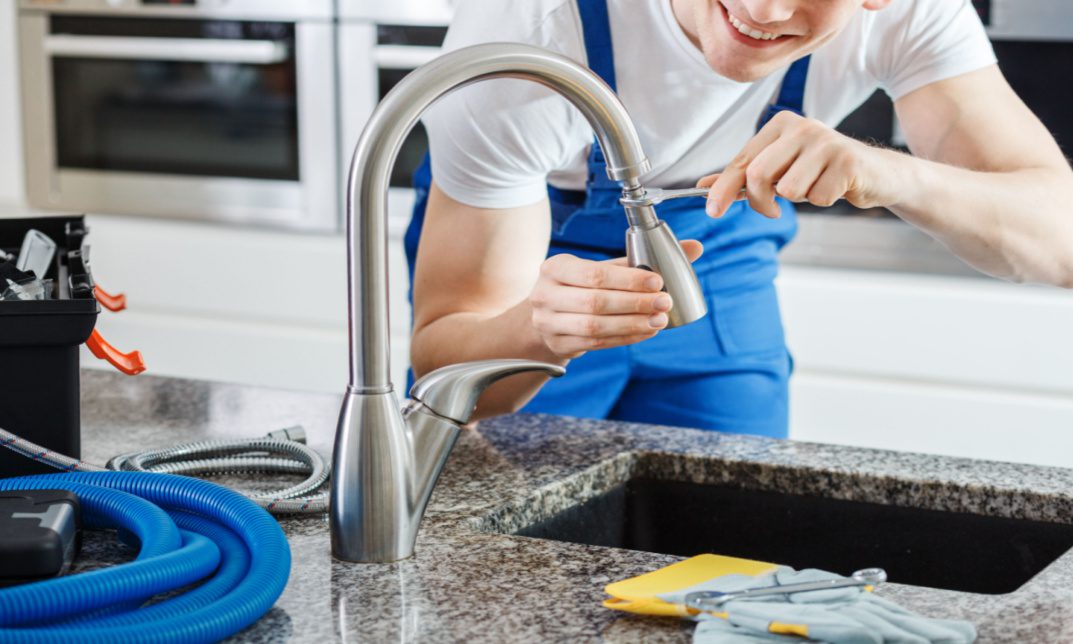
Professional Online Plumbing Course
Course Description :
- Certificate: Yes(Free)
- Accreditation: CPD Accredited
- Access: Lifetime