No products in the basket.
Following these important COSHH standards is the best way to keep every worker safe and healthy. This UK law helps protect people from many harmful substances that might cause lung problems or skin rashes. According to recent data from the Health and Safety Executive (HSE), 11,000 workers in the UK pass away each year from lung conditions connected to prior workplace exposures. Furthermore, there are an estimated 22,000 new cases of breathing or lung problems caused or increased by work each year.
Many employees get sick because they come into contact with dangerous dust, fumes, or strong chemicals at work. For this reason, the law requires employers to identify these materials and assess the risks they pose. By following these simple steps, workplaces can prevent long-term illness and keep their teams strong. This is precisely why these rules exist for every office and factory in the country.
Next, we will explore how this law works and explain the best ways to protect employees in the workplace.
What is the History of COSHH in the UK?
The law started many years ago to stop people from getting hurt by fumes. It changed over time to include more modern dangers. Today, it is a very important part of British law for every office and factory. Therefore, every manager knows they must keep the team safe. These laws grow as we find new types of chemicals. For this reason, the UK is one of the safest places to work in the world.
Since the first rules appeared in 1988, the government has updated the COSHH standards to match new science. Because we now understand how dust affects the lungs, the rules are much stricter than before. Consequently, businesses must stay alert to any new safety announcements. This long history shows that protecting workers is a top priority for everyone. By looking at the past, we can see how much better our workplaces have become today.
Which Substances Do These Rules Cover?
Many different things can hurt you if you are not careful. For example, look at this list of common hazards:
- Cleaning liquids and sprays.
- Dust from wood or metal.
- Fumes from welding.
- Germs from waste or dirty water.
- Paint and glue.
Because these items are common, you must handle them with care. Always read the back of the bottle to see the risks.
Why Must You Follow COSHH Standards Every Day?
The main goal is to stop long-term illness. Some things do not hurt you right away, but can cause breathing problems later. Staying within these guidelines keeps your lungs and skin in good shape. Therefore, you should never take shortcuts with your safety. If you ignore the rules, you might feel poorly in a few years. Also, following the rules makes the workplace a much nicer place for everyone.
Because many dangers are invisible, you must stay alert at all times. For example, wood dust or cleaning fumes can enter your body without you noticing. Therefore, these COSHH regulations act as a shield for your health. By using the right fans and masks, you keep your body strong for the future. Consequently, you will have more energy to enjoy your time away from work. Staying safe every single day is the best habit you can have.
How Do You Start a Risk Assessment?
You can start by looking around your work area for any obvious signs of trouble to identify hidden dangers before they cause an accident. To follow these COSHH rules correctly, you should walk around the room to find open containers, read labels on every bottle for danger signs, talk to your team about how they use materials, and check if fans or vents work well. Because you are careful and thorough, you will find risks before they cause any trouble for your staff. Consequently, you can then write down a clear plan to stay safe during every shift and prevent long-term illness.
What Do the Different Warning Symbols Mean?
You will see red and white signs on many bottles in your cupboard. Learning these pictures helps you act quickly in an emergency to stay safe.
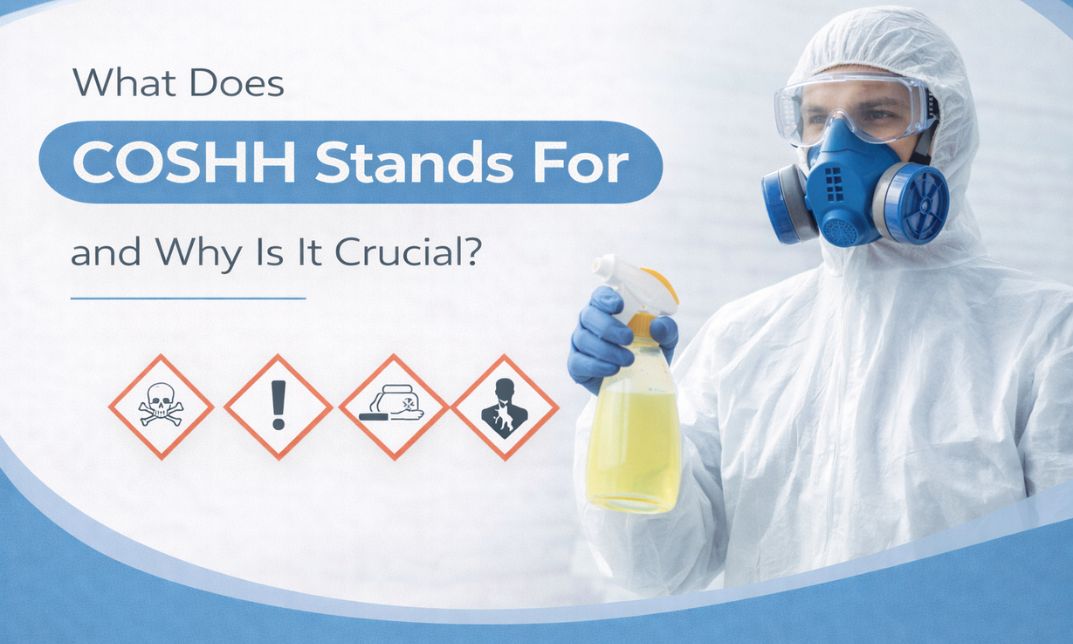
Here are the most common warning symbols and their meanings:
- Flame: The item can catch fire very easily if it gets too hot.
- Exclamation Mark: This substance might cause a skin rash or an allergy.
- Skull and Crossbones: Liquid is a poison that can be very deadly.
- Corrosive: The chemical will burn your skin or eyes if you touch it.
- Health Hazard: It can cause long-term breathing problems or serious illness.
- Environment: This stuff will harm fish and trees if it leaks outside.
- Gas Cylinder: A container holds gas under high pressure and might explode.
- Exploding Bomb: The substance is very unstable and can blow up.
Because you know these signs, you can choose the right gloves or mask. For this reason, these guidelines for COSHH keep every worker away from hidden dangers. Therefore, always check the label before you open any new container in the shop.
Can You Name the Eight Steps of COSHH?
| Step | Action |
| 1 | Assess the risks |
| 2 | Plan how to stop the danger |
| 3 | Use control measures |
| 4 | Keep gear in good condition |
| 5 | Watch the health of the staff |
| 6 | Plan for accidents |
| 7 | Train all the workers |
| 8 | Check the plan every year |
These steps ensure that every company meets high COSHH regulations. Therefore, you should check this list every month to stay on track.
What Are the Best Ways to Control Risks?
You can keep your team safe by following a set of smart choices to lower danger. This process helps you find the most effective path to stop accidents from happening. Therefore, you should always look for the easiest way to remove a hazard. Because of these, every business has a clear plan to stay healthy.
- Elimination: Try to stop using the bad chemical if you can.
- Substitution: If you cannot stop, use a safer version instead.
- Engineering Controls: Use big machines or fans to suck up the dust.
- Administrative Controls: Limit the time workers spend near a hazard.
- Personal Protective Equipment: Wear gloves or a mask as a last resort.
For this reason, modern tools are very helpful for your daily safety. Always think of a way to remove the hazard entirely before you start. Consequently, you will not have to worry about getting sick at all. Therefore, these choices create a strong shield for everyone in the building. Because you take these steps, your workplace stays clean and professional.
What Happens If a Company Ignores COSHH Standards?
Follow these important COSHH rules to keep every worker safe and healthy at work. Businesses can face big fines if they do not follow the law correctly. More importantly, people could get very sick or go to the hospital because of a mistake. Breaking these rules puts everyone in a lot of danger during their shift. For this reason, inspectors visit workplaces to check the safety books and gear.
Therefore, you must keep your records neat and tidy at all times to stay legal. If a boss ignores the hazards, the government might close the building down entirely. Because of this, the company could lose a lot of money and its good reputation. Consequently, following these rules is the only way to run a successful and kind business. Staying safe ensures that every member of the team can return home healthy to their families.
Where Can You Find Training for Your Team?
Finding the right education is the best way to ensure everyone follows COSHH guidelines correctly. Because laws change, your staff must stay up to date with the latest safety advice. Consequently, you should look for courses that match your specific industry needs.
- Online learning platforms offer a great way to study at your own pace.
- Local colleges often run short workshops for workplace health and safety.
- Safety experts can visit your office to give hands-on demonstrations.
- Video tutorials provide a quick way to show how to use new gear.
Good training makes sure no one forgets the safe way to work during a busy shift. For this reason, you should update your skills every year to stay sharp. Therefore, you will always know the best ways to handle dangerous materials without fear. Because you invest in your team, they will feel more confident and happy. Knowledge is the most powerful tool for staying safe in the shop.
Final Thought
Following these COSHH standards is the best way to ensure a healthy and legal workplace for your entire team. Staying alert and using the right safety gear prevents serious long-term illness. To gain expert skills, you can take a professional COSHH Training Course online today. This ensures your business stays safe, productive, and fully compliant with all UK safety laws.
FAQs
1. What are the COSHH standards for?
- The COSHH standards exist to keep workers safe from harmful substances. These UK rules help bosses identify and control health risks in the workplace. Because of these standards, companies can stop staff from getting sick from chemicals, dust, or fumes. Following these steps ensures every business stays within the law. Therefore, every employee can enjoy a healthy and hazard-free work environment.
2. What are the three basic rules of COSHH?
- The three basic rules focus on finding, stopping, and teaching. First, you must carry out a detailed risk assessment. Second, you must prevent or control exposure to any dangerous materials. Third, you must give proper training and information to your employees. Because of these rules, the workplace stays organised and safe. Therefore, everyone knows their role in preventing accidents.
3. What is a COSHH checklist?
- A COSHH checklist is a simple tool used to audit your safety measures. It helps you track if labels are correct and if storage cupboards are locked. You can also use it to check if your ventilation fans work well. By using this list, you ensure that no safety step is forgotten. This document proves to inspectors that you take workplace health seriously.
4. What two substances are not covered by COSHH?
- Most harmful items fall under these rules, but lead and asbestos have their own separate laws. Because these materials are extremely dangerous, they need special handling and unique regulations. Radioactive substances and explosive materials also follow different safety acts. Therefore, you must check the specific UK laws for these items separately. This ensures you meet the highest legal standards for every hazard.
5. What are the 10 basic safety rules?
- Always read the safety data sheet before using a new chemical.
- Label every container clearly with the correct hazard symbol.
- Wear the right personal protective equipment, like gloves or masks.
- Keep your work area tidy and free from any spills.
- Store chemicals in a cool, dry, and locked cupboard.
- Never eat or drink in areas where you use hazardous substances.
- Wash your hands thoroughly before you take a break or go home.
- Report any leaks or broken safety gear to your manager immediately.
- Use local exhaust ventilation to pull fumes away from your face.
- Attend every training session to keep your safety knowledge fresh.
6. What are the 5 main substances covered by COSHH?
- Chemicals: This includes cleaning products, bleach, and industrial solvents.
- Fumes: Smoke from welding or gases from chemical reactions fall here.
- Dusts: Fine particles from wood, grain, or stone can hurt the lungs.
- Vapours: These come from liquids like paint or thinners that evaporate.
- Biological Agents: Bacteria and viruses found in waste or labs are covered.
7. What are the 7 types of hazards?
- Workplaces face many different dangers every day. For example, biological hazards involve germs and viruses. Chemical hazards come from liquids and gases. Physical hazards include noise and extreme heat. Ergonomic hazards relate to poor posture or heavy lifting. Safety hazards involve slips, trips, and falls. Psychosocial hazards cover stress and bullying. Finally, environmental hazards involve things like poor lighting or bad weather.
8. What are the 7 safety tips?
- To stay safe, always follow the hierarchy of control. Try to eliminate the hazard first by removing the dangerous substance. If you cannot remove it, substitute it for a safer version. Use engineering controls like fans to keep the air clean. Change your work patterns to reduce the time spent near hazards. Always wear your protective clothing and check it for holes. Keep emergency wash stations clear and ready for use. Finally, review your safety plan every year to catch new risks.

COSHH Training Course
Course Description :
- Certificate: Yes(Free)
- Accreditation: CPD Accredited
- Access: Lifetime