No products in the basket.
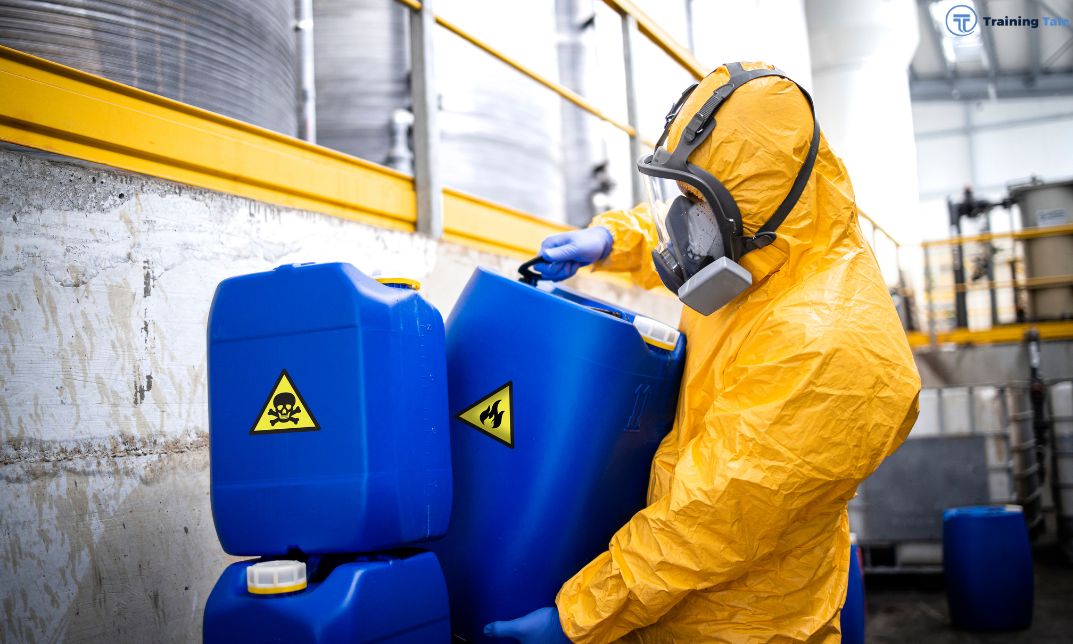
COSHH hazardous substances are materials that can harm your health at work. In the UK, COSHH means Control of Substances Hazardous to Health. It covers chemicals, dust, fumes, gases, and germs, and helps you understand what substances does COSHH include in different jobs | so you can spot risks early. These hazards can come from products like cleaners and paints or tasks like cutting wood and welding. For example, dust can harm your lungs, and fumes can cause breathing problems. Germs can spread illness too. So, employers must control risks with ventilation, labels, and safety gear.
This guide explains COSHH hazardous substances in simple words, so you stay safe at work.
What Does COSHH Stand For and What Does COSHH Mean?
COSHH stands for Control of Substances Hazardous to Health. In simple words, COSHH means rules that protect workers from harmful substances. These rules keep you safe when you work with chemicals, dust, fumes, or germs.
So, what does COSHH mean in daily life? It means you need to spot danger and handle it safely. For example, you may wear gloves, masks or goggles. You also follow safety signs and read labels before you use any product.
Also, your employer must check risks and give clear advice. They must provide training, safety gear and good ventilation. Because of COSHH, work feels safer and risks stay lower. So, you can do your job with more confidence every day.
What Substances Does COSHH Include?
Many things at work can harm your health. COSHH hazardous substances cover these risks and help keep workers safe.
- Chemicals – cleaning products, acids, and solvents. They can burn skin or affect breathing.
- Dust – wood dust and silica dust. They can harm your lungs over time.
- Fumes and vapours – welding fumes and paint fumes. They can cause breathing trouble.
- Biological agents – bacteria and viruses. They can spread illness.
- Gases and mist – small, harmful particles in the air. You can breathe them in without noticing.
These substances affect the body in different ways. They can cause skin irritation, breathing problems, or serious illness. So, you must stay careful and always follow safety rules at work.
Which Hazardous Substances Does COSHH Not Cover?
COSHH does not cover every harmful substance at work. Some dangerous materials follow their own strict laws. So, you need to know the difference.
So, which hazardous substance does COSHH not cover?
- Asbestos – This is very dangerous. It can cause serious lung disease. Special asbestos rules control how people remove and handle it.
- Lead – This metal can harm the brain and body over time. It has its own safety laws and safe work limits.
- Radioactive substances – These can give off radiation. They can seriously damage health. Only trained people handle them under strict rules.
COSHH mainly covers chemicals, dust, fumes, gases, and germs. However, these special substances need extra control because they are more harmful. So, workers must always follow the right law for the right substance. It helps protect health and keeps people safe at work.
COSHH Signs and Meanings You Must Know
COSHH signs and meanings help you stay safe at work. These signs show danger in a clear and simple way. So, you can understand risks quickly without confusion.
You will see warning labels on bottles, boxes, and machines. These labels tell you if something is harmful. For example, they may warn about toxic chemicals, fire risk, skin burns, or breathing problems. So, you know what to do before you start work.
Also, hazard communication uses symbols, colours, and short words. This helps everyone understand danger, even if they do not read long instructions. Because of this, you can react fast and avoid accidents. In short, COSHH signs and meanings guide you to use substances safely and protect your health every day.
What Is a COSHH Harmful Symbol?
A COSHH harmful symbol is a small picture that shows danger. These symbols help you understand risk in seconds.
You may see different pictograms like:
- Skull and crossbones – This means poison. It can cause serious harm or death.
- Flame – This means fire risk. It can catch fire very easily.
- Corrosion – This means it can burn skin or damage metal.
- Exclamation mark – This warns of irritation or mild health harm.
- Health hazard – This shows long-term illness risk, like lung damage.
So, each COSHH harmful symbol gives a quick and clear warning. It helps you stay alert, make safe choices, and avoid harm at work.
Why COSHH Matters in Everyday Workplaces
COSHH is a set of safety rules that keeps people from getting sick at work. These rules help identify common items that might be dangerous. Cleaning sprays, wood dust and glue fumes can hurt you if they touch your skin or if you breathe them in. Finding these dangers early stops small problems from turning into big health issues later.
Employers must find ways to lower these risks. They might use a safer cleaning product instead of a harsh one. Sometimes they use special machines to suck up dust so it does not spread. If a dangerous chemical is needed, the company gives you safety gear like gloves or masks. They also keep the air clean by opening windows.
COSHH helps everyone think about safety first. When workers read labels and wear gear correctly, they protect themselves and their friends. This simple plan ensures everyone goes home healthy.
What Is a COSHH Risk Assessment?
Think of a COSHH risk assessment as a safety roadmap for your health. It is not just a boring pile of paperwork. Instead, it is a way for your boss to stop and ask, “What in this room could actually hurt my team?” First, they walk around to spot the troublemakers. These are things like toxic sprays, dusty powders, or stinging fumes. They look at who uses these items and how they use them every day.
Once they find a danger, they figure out a smart plan to stop it. Maybe they swap a harsh chemical for a gentle one. Perhaps they install a vent to suck up bad air. By doing this, they create a shield around you. It feels great to know that someone checked every bottle and bag just to keep you healthy. This assessment keeps the workplace safe, so you can focus on your job without worrying about your lungs or skin.
What Are Common Mistakes with COSHH?
Even with good rules, people still make mistakes. We all get a bit tired or forgetful sometimes! One huge mistake is ignoring the safety labels on the back of bottles. Those little red symbols are not just for show. They tell you exactly how to stay safe. Another common slip-up is storing chemicals the wrong way. If you leave a bottle of bleach near the wrong liquid, you might create a nasty gas that hurts to breathe.
People also skip their safety gear because it feels hot or annoying. You might think, “I will only be a minute,” but that is exactly when accidents happen. Whether you forget your gloves or leave a lid off a tub of glue, these small shortcuts lead to big problems. When we stay mindful and respect the chemicals we use, we keep ourselves and our friends out of harm’s way. A little extra care goes a very long way!
What Does the COSHH Toxic Symbol Look Like?
The toxic symbol acts as a major warning sign. It features a skull and crossbones, which is a famous image for death or poison. If a substance carries this label, it can make you very ill if you touch it, breathe it in, or swallow it.
Identifying this symbol is easy because of these features:
- The Shape: A diamond frame always surrounds the image.
- The Colours: Most labels use a black drawing on a br ight red or orange background.
- The Picture: This skull design makes the danger clear to everyone instantly.
Workers often find this sign on bottles of strong chemicals, cleaning sprays, or jars in a lab. When you spot the skull and crossbones, please stop and think. Always read the safety instructions before touching the container. You likely need to wear gloves or a face mask to stay healthy. Watching out for this symbol helps protect both you and your friends at work.
What is The Difference Between Toxic And Harmful Symbols?
Both signs warn you about danger, but they show different levels of risk. You can think of them as a “very dangerous” sign versus a “be careful” sign. Knowing the difference helps you stay safe at work.
A toxic symbol shows a skull and crossbones. This means the substance is a strong poison. If you touch, swallow or breathe it, you could become very ill or die. You must follow strict rules and use special safety gear.
The harmful symbol usually shows a big exclamation mark. It means the liquid can hurt you, but it is not usually deadly. It might cause itchy skin or sore eyes. Always read the label and wear gloves to stay healthy.
Final Thoughts
To stay safe at work, you must understand COSHH rules. COSHH helps you find danger early and avoid harm. It protects your health every day. It is also important to know what substances does coshh include. These are chemicals, dust, fumes, gases, and germs. They can cause skin problems or breathing issues if you are not careful.
If you want to learn more, take the Control of Substances Hazardous to Health (COSHH) Training Course. It teaches simple safety steps in an easy way. You learn how to handle dangerous substances and use safety gear correctly. So, follow COSHH rules, stay alert, and always think safety first at work.
Frequently Asked Questions (FAQs)
1. What are the 5 main substances covered by COSHH?
- Chemicals
- Dust
- Fumes and vapours
- Gases and mists
- Biological agents (germs, bacteria, viruses)
2. What is the new H&S law 2026?
- There is no single new UK Health & Safety law called the “2026 law.”
COSHH and other H&S rules are updated over time through small changes, not one big new law.
3. What substances does COSHH not include?
- Asbestos
- Lead
- Radioactive substances
These have their own strict laws.
4. What substances does COSHH include in cleaning products?
- Bleach
- Disinfectants
- Ammonia-based cleaners
- Strong detergents
These can cause skin burns or breathing problems.
5. What are the 9 main hazardous substances?
- Chemicals
- Dust
- Fumes
- Vapours
- Gases
- Mists
- Biological agents
- Solvents
- Cleaning agents
6. What are the 7 types of hazards?
- Chemical
- Physical
- Biological
- Ergonomic
- Psychological
- Safety
- Environmental
7. Do medicines fall under COSHH?
- Yes, some medicines do. Especially harmful ones, like cytotoxic or strong hospital drugs.
8. What are three non-hazardous materials?
- Water
- Clean paper
- Sand

Control of Substances Hazardous to Health (COSHH) Training Course
Course Description :
- Certificate: Yes(Free)
- Accreditation: CPD Accredited
- Access: Lifetime