No products in the basket.
How do I find out what does COSHH stands for in the UK? This is a very common question that many people ask today. You want to keep everyone safe from harm, but the rules can feel hard. However, getting safety wrong is a very big mistake for any building. In fact, many places face large fines if they do not follow the rules. That is a lot of risk to take with your health.
But do not worry at all. By the end of this guide, you will understand these safety rules perfectly. Additionally, we will teach you how to quickly recognise threats. We will make the safety regulations for 2026 very easy to understand for you. Our team created this guide for everyone to read. It uses simple English so you can follow every step.
Let’s make your environment safe together.
What Does COSHH Stands For in Our Daily Lives?
What COSHH stands for in our daily lives is a question that helps us understand the hidden dangers in the world around us. These important rules are not just for big factories or busy offices because they apply to many things we use every single day. For instance, you might see these rules in action when your teacher handles strong craft glue or when a cleaner mops the school floors with soapy water. These substances are very helpful for building things and keeping rooms tidy, but they can also be sneaky. If we are not careful, certain liquids or fumes might hurt our skin or make us feel a bit poorly. By following these safety steps, we can make sure that every bottle and jar is used in the right way to keep everyone smiling and healthy.
Safety acts like an invisible shield that protects us while we learn and play. We know these rules, so we can recognise a hazardous bottle before it causes any trouble. Therefore, staying alert helps us use these helpful tools without any risk to our friends or ourselves.
Learn more on COSHH definition at our Training Tale.
Why Do We Need Special Rules for Hazardous Substances?
Why do we need special rules for hazardous substances? This is a great question to ask when learning about safety. We use these rules because some materials are much stronger than they look. While a bottle of cleaner might look like water, it can actually be quite dangerous if it is not used correctly. For that reason, the UK has strict laws to make sure everyone stays safe at school or in a workshop. Because we follow these rules, we can enjoy our activities without getting hurt.
Staying healthy is the most important part of any job or lesson. These special rules provide a clear plan so that no one has to guess how to be safe. Therefore, we always know which gear to wear and which bottles to keep closed.
- Some liquids can sting your skin if you touch them by mistake.
- Dust can make it hard to breathe if it gets deep into your lungs.
- Certain fumes can make you feel very dizzy or give you a headache.
- Rules help everyone know exactly what to do to stay healthy at all times.
- Following the plan ensures that the air in the room stays fresh and clean.
Can You Recognise These Bright Orange Safety Symbols?
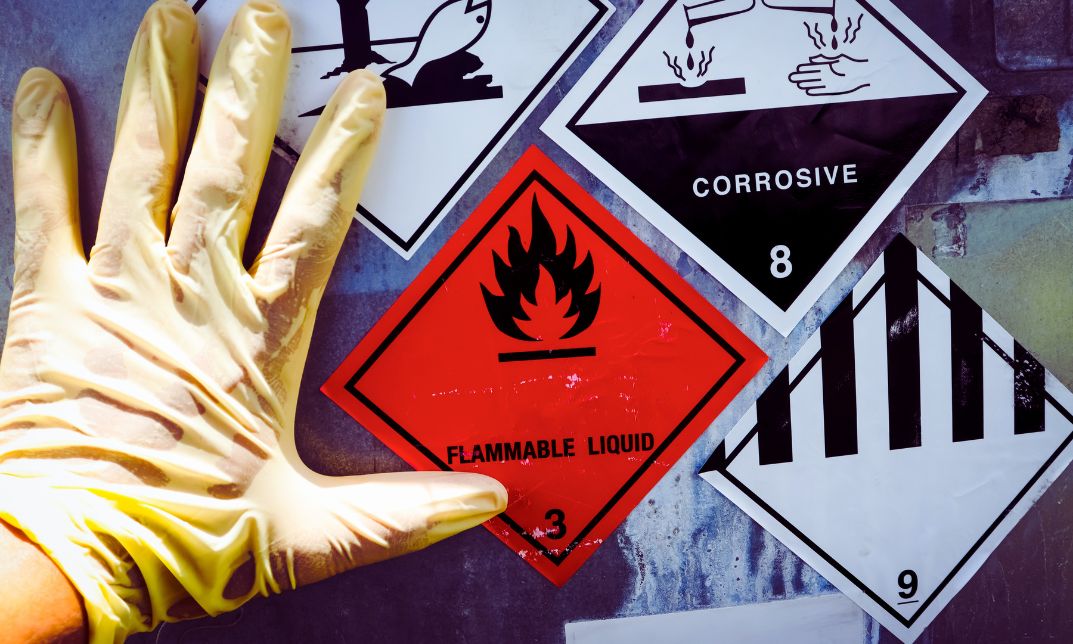
Safety signs are a special language that explains the contents of a bottle at a glance. You will often see small orange or red diamond shapes on items like craft glue or cleaning sprays. Because these symbols are very bright, they are easy to notice right away. As a result, you can identify a danger even if you do not read the full label. Each picture has its own meaning to ensure you stay far away from any trouble.
- The Flame: This symbol shows that the substance inside can catch fire very quickly.
- The Skull and Crossbones: This is a strong warning that the material is a dangerous poison.
- The Exclamation Mark: This sign tells you that the liquid might irritate your eyes or skin.
- The Exploding Bomb: This means the item is very unstable and could burst if moved.
- The Corrosive Sign: This picture shows that the liquid can eat away at skin or even metal.
Learning to identify these symbols is a fantastic way to look after yourself and others. For that reason, you should always check for a sign before you touch or open a new jar. Paying attention to these clues helps you understand how to handle things correctly. Consequently, you can help everyone stay healthy and happy during every project or task.
Who Is Responsible for Keeping People Safe at Work?
Staying safe is a team effort where everyone has a special part to play. In every workplace or school, there are clear roles to make sure that hazardous substances do not cause any trouble. Because of these rules, you can feel confident that the adults around you are following a solid plan. For that reason, we use a simple system to divide the work and keep the environment healthy.
When everyone does their job correctly, accidents are much less likely to happen. For example, a teacher or a boss has specific duties that are different from the duties of a student or a worker. Therefore, it is helpful to see exactly who is in charge of each safety task.
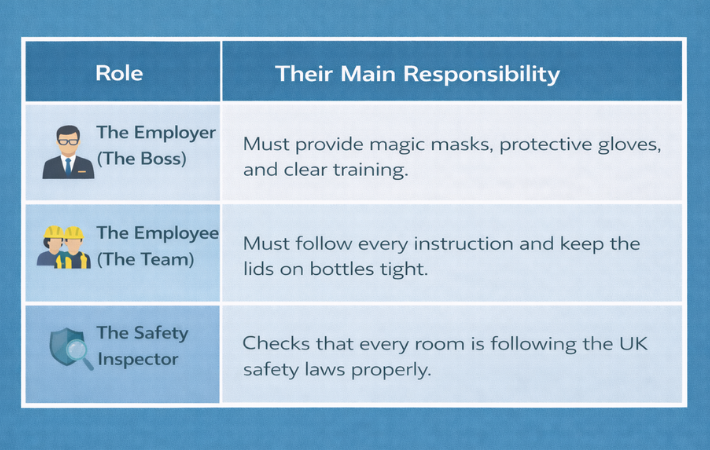
Working together ensures that no one has to face danger alone. If you see something that looks unsafe, you should always speak up to a grown-up right away. Consequently, you are helping the whole team stay protected and happy while they work on their projects.
How Does a Risk Assessment Work in Simple Steps?
A risk assessment is a smart plan that people make to stop anyone from getting hurt. It involves looking closely at a room to find possible dangers before they happen. Because we want to keep everyone healthy, we follow five easy steps to check every area properly. For that reason, adults in the UK use this method every single day at work or school. Consequently, they can decide on the best way to handle hazardous items without any accidents.
Following a clear path makes safety feel much easier for everyone involved. Therefore, you can use these simple steps to understand how a safe environment is built.
- Look for the danger: Walk around and find anything that could cause a splash or a sniffle.
- Think about who could get hurt: Decide if it is the students, the teachers, or the visitors.
- Decide how to stop the hurt: Figure out a way to use the item safely or keep it away.
- Write down the plan: Put the safety rules on paper so everyone knows what to do.
- Check the plan later: Look at the rules again to make sure they are still working well.
What Are the Most Common Dangers Covered by COSHH?
The most common dangers usually come from things we use to clean, build, or fix our surroundings. These include liquids like strong bleach and floor cleaners, but they also include things you might not expect, like wood dust or fumes from a hot glue gun. Even common items like paint and certain types of ink can be hazardous if they touch your skin or stay in the air for too long. Because these materials are used so often, it is important to know which ones need extra care. For that reason, the rules cover a wide variety of substances to ensure that every corner of the room remains a healthy place to be.
How Can We Protect Our Skin and Lungs?
Protecting our bodies is easy when we have the right gear and follow simple instructions. To keep our skin safe, we often wear protective gloves or aprons that act as a barrier against splashes. For our lungs, it is vital to keep windows open or use special fans that pull dusty air away from our faces. Because we use these safety tools, we can complete our projects without worrying about any harm. Therefore, always checking that your safety gear is ready is the best way to start any task.
- Wear Gloves: These keep your hands clean and safe from any stinging liquids.
- Open Windows: Fresh air helps to clear away any strong smells or fumes.
- Use Masks: A soft mask can stop tiny bits of dust from entering your nose.
- Wash Hands: Always cleaning your hands after a project ensures no chemicals stay on your skin.
What Should You Do if a Splash Happens?
If a liquid splashes on the skin, the most important thing is to stay calm and act quickly. An adult or a teacher must be told immediately so they can help follow the safety plan. Usually, this involves washing the area with plenty of clean, cool water for several minutes to rinse the substance away. Because preventing stings or marks is the main goal, nobody should wait to see if it hurts before asking for help. Therefore, knowing exactly where the nearest sink or eye-wash station is located is a brilliant way to be prepared.
How Can You Become a Safety Expert with Training?
Becoming a safety expert ensures every environment remains healthy and protected. While reading guides helps, taking a professional course provides deeper knowledge about handling hazardous substances. For that reason, many people choose a dedicated programme to learn the best ways to keep others safe. Because this training covers all the important rules, it gives anyone the confidence to manage risks properly in the UK.
Taking a step further in learning builds a strong foundation for a safe workplace. Therefore, enrolling in a specialised COSHH Training Course is a fantastic choice for those who want to master these skills. This online course explains everything from identifying dangers to following the latest legal regulations. Consequently, completing such a programme offers the best way to become a true leader in safety and look after the well-being of the whole team.
Ready to Test Your Knowledge on Health and Safety?
Taking a quick quiz is a brilliant way to see how much information stays in the brain. It helps confirm that the different symbols and safety steps make perfect sense. Because everyone learns at their own pace, checking progress ensures that no important detail slips away. For that reason, answering a few questions helps solidify the skills needed to stay safe in any environment.
Testing yourself makes the learning process fun and interactive. Therefore, grabbing a pen or using a screen to complete these challenges provides a great finish to the safety journey. Consequently, every correct answer brings more confidence when handling substances in the real world.
- Review the symbols: Make sure the meaning of each orange diamond is clear.
- Recall the steps: Remember the five parts of a risk assessment.
- Think about safety gear: Identify which items protect the skin and lungs.
Final Thoughts on Staying Safe Around Chemicals
A COSHH assessment form acts as a living document that saves lives. Understanding what does COSHH stands for reminds everyone to control hazardous substances to keep colleagues safe. Updating these forms today prevents disasters tomorrow.
Download a free COSHH assessment template here to begin. Additionally, explore our online COSHH training courses to sharpen necessary safety skills. Taking these steps protects the team and keeps the business running smoothly.
FAQs on What Does COSHH Stands For
1. What is COSHH in simple terms?
The term ‘COSHH’ stands for the Control of Substances Hazardous to Health. These UK safety laws mean that bosses must manage any materials that could make workers ill or cause an injury. In simple terms, it is a legal plan to ensure everyone stays safe when using chemicals, dust, or fumes at work.
2. What are the three basic rules of COSHH?
The three basic rules focus on preventing or reducing exposure to harmful materials:
- Identify the hazard: Find out which substances are dangerous.
- Assess the risk: Decide how these substances might cause harm.
- Control the risk: Put measures in place to stop the harm from happening.
3. What are the five principles of COSHH?
The five principles guide how a workplace manages safety effectively:
- Enforce: Make sure everyone follows safety procedures.
- Prevent: Try to avoid using hazardous substances altogether.
- Control: Use equipment like gloves or fans if prevention is impossible.
- Monitor: Check the air or the health of staff regularly.
- Inform: Provide clear training and instructions to all team members.
4. What are the 5 main substances covered by COSHH?
COSHH covers a wide range of materials, but the most common include:
- Chemicals: Like cleaning products, bleach, and acids.
- Fumes: Such as those created during welding or soldering.
- Dusts: Including wood dust, flour, or stone dust.
- Vapours: Like those from solvent-based paints or glues.
- Biological hazards: These hazards involve things like bacteria, fungi, or viruses.
5. What are the 7 types of hazards?
Hazard symbols on labels help identify specific dangers:
- Toxic: Can cause serious harm or death if swallowed or inhaled.
- Corrosive: Can burn skin or eat through metal.
- Flammable: Catches fire very easily.
- Oxidising: Provides oxygen that can make a fire burn much hotter.
- Explosive: Can burst or react violently under certain conditions.
- Environmental Hazard: Harmful to fish, plants, and wildlife.
- Health Hazard: Includes irritants that cause rashes or breathing issues.
6. What are the 8 steps of COSHH?
Following these eight steps ensures full compliance with UK safety laws:
- Risk assessment: Identify all potential dangers.
- Precautions: Decide what safety measures are needed.
- Control exposure: Use tools to keep people safe.
- Maintenance: Keep safety equipment in good working order.
- Monitoring: Measure the concentration of substances in the air.
- Health surveillance: Check that employees remain healthy.
- Emergency plans: Prepare for spills or accidents.
- Information and training: Teach the team how to work safely.
7. What is a COSHH checklist?
- A COSHH checklist is a tool used during a risk assessment to ensure no detail is missed. It usually includes sections for listing every chemical used, checking for up-to-date Safety Data Sheets (SDS), inspecting protective gear, and confirming that all containers have the correct labels.
8. What are 10 basic safety rules?
- Read the label before opening any container.
- Wear the required protective gear (PPE).
- Never mix different chemicals together.
- Store substances in their original containers.
- Keep work areas tidy and free of spills.
- Always wash hands after handling materials.
- Ensure the room has good ventilation.
- Find out where the closest first aid kit is located.
- Report any damaged containers immediately.
- Follow the instructions from your safety training.
9. What are the 5 C’s of risk assessment?
The 5 C’s are a simple way to remember the core parts of a safety check:
- Classify: Group the tasks or areas you need to check.
- Consult: Talk to the people doing the work to find hidden risks.
- Control: Decide on the best ways to eliminate or reduce danger.
- Communicate: Share the safety plan with the whole team.
Check: Review the plan regularly to see if it still works.

Control of Substances Hazardous to Health (COSHH) Training Course
Course Description :
- Certificate: Yes(Free)
- Accreditation: CPD Accredited
- Access: Lifetime