No products in the basket.
Turning your love of food into a career can be a rewarding journey. If you enjoy trying new recipes, preparing meals and learning about different flavours, becoming a chef could be a great choice. Knowing how to start being a chef can help you take the first step with confidence. You do not need to be an expert cook from day one. Instead, start with simple recipes, practise basic cooking skills and learn how to work safely in a kitchen. You can also take a cookery course, join an apprenticeship or apply for an entry-level kitchen job. Each step helps you gain experience, improve your skills and move closer to your goal of becoming a professional chef.
What Does a Chef Do?
A chef does more than cook food. They prepare tasty meals, keep the kitchen tidy and help the team work well together. Their daily tasks may change depending on whether they work in a restaurant, hotel, cafe or school.
- Prepare and cook food: Chefs chop vegetables, prepare meat, cook meals and make each dish look good before serving.
- Plan menus: They choose dishes, try new recipes and plan meals that customers will enjoy.
- Check food quality: Before serving food, they check its taste, smell and appearance.
- Keep the kitchen clean: Chefs clean worktops, store food safely and follow food hygiene rules.
- Manage ingredients: They check food supplies, order fresh ingredients and try to reduce waste.
- Work with the team: Chefs share tasks, help other kitchen staff and make sure meals reach customers on time.
A chef needs good cooking skills, careful planning and teamwork. They must also stay calm during busy hours. Although the work can be hard, many chefs enjoy creating new dishes and making people happy with their food.
How to Start Being a Chef in the UK
Becoming a chef takes time, practice and patience. You do not need to be an expert cook to get started. Follow these simple steps to learn the skills you need and begin your career.
Step 1: Learn Basic Cooking Skills
Start by cooking simple meals at home. Learn how to chop vegetables, follow recipes and use kitchen tools safely. Also, practise keeping your kitchen clean and handling food safely.
Step 2: Choose a Chef Training Course
Next, look for a cookery course at a college. You can study professional cookery at Level 1, Level 2 or Level 3. These courses teach you how to prepare ingredients, cook different dishes and follow food hygiene rules.
Step 3: Apply for a Chef Apprenticeship
An apprenticeship allows you to learn while working in a real kitchen. You can gain practical skills, learn from experienced chefs and earn money at the same time. This is a good option if you prefer learning through work.
Step 4: Get an Entry-Level Kitchen Job
You can apply for jobs such as kitchen assistant, catering assistant or commis chef. These roles help you understand how a kitchen works. You will also learn to prepare food, clean work areas and support other chefs.
Step 5: Gain Practical Experience
Once you start working, practise your skills every day. Listen to advice from other chefs and learn from your mistakes. Try new recipes and improve your speed, teamwork and time management.
Step 6: Work Towards a Higher Chef Role
As you gain more experience, you can take on extra duties and learn new cooking methods. With hard work and further training, you may progress to roles such as chef de partie, sous chef or head chef.
What Qualifications Do You Need to Become a Chef?
You do not always need formal qualifications to become a chef in the UK. However, training can help you learn new skills and find a job. Here are the main things you may need.
- Professional cookery qualifications: You can take a Level 2 or Level 3 Diploma in Professional Cookery at college. These courses teach you how to prepare ingredients, cook meals and use kitchen tools safely.
- GCSEs in English and maths: These subjects can help you in the kitchen. English helps you read recipes and follow instructions. Maths helps you measure ingredients, check cooking times and work out food costs. However, some courses may accept other qualifications.
- Food hygiene training: Chefs must know how to prepare food safely. Food hygiene training teaches you how to store food, keep the kitchen clean and prevent food poisoning. This knowledge helps protect customers.
- Practical skills and experience: Cooking skills matter as much as qualifications. You need to learn how to use knives, prepare food and work well with others. Moreover, you can gain experience through an apprenticeship, a college course or a kitchen job.
You do not need to know everything when you start. With practice, patience and a willingness to learn, you can improve your cooking skills and become a confident chef.
How Long Does It Take to Become a Chef?
The time it takes to become a chef depends on your training and experience. You can start working in a kitchen quite quickly, but becoming an experienced chef may take several years. A college course in cookery may take around one to two years, depending on the course and level. You can learn cooking methods, food preparation and kitchen safety.
An apprenticeship often takes one to two years or longer. During this time, you learn from experienced chefs while working in a real kitchen. This helps you gain useful skills and work experience. You can also learn on the job by starting in an entry-level kitchen role. You may learn basic skills within a few months, but you will need more time and practice to improve your cooking. As you gain experience, you can move into higher roles, such as sous chef or head chef. With patience and regular practice, you can build your skills and grow your career.
How Much Does a Chef Earn in the UK?
A chef’s salary in the UK depends on their experience, job role and workplace. Chefs can earn around £28,000 to £36,580 a year. However, pay may vary between employers. Chefs in London may also earn more because living costs are higher.
Average Chef Salaries in the UK
- Commis chef (entry-level): The salary may range from £23,000 to £27,000 a year outside London and around £30,000 in London. Daily tasks include preparing ingredients, following recipes and helping senior chefs cook meals. This role helps you learn basic kitchen skills.
- Chef de partie: Earnings may range from £28,000 to £32,000 a year outside London and around £33,000 in London. You manage one section of the kitchen, such as meat, fish or vegetables, and make sure food is prepared properly.
- Sous chef: The yearly salary may be £32,000 to £38,000 outside London and £37,500 to £41,100 in London. You support the head chef, guide kitchen staff and help daily work run smoothly.
- Head chef: Pay may range from £34,000 to £48,000 a year outside London. In London, earnings can reach around £46,500 to £47,300 or more. Main duties include managing staff, planning menus, ordering ingredients and checking food quality.
- Executive chef: Salaries may range from £45,000 to £75,000 or more outside London. In London, earnings may reach £60,000 to £70,000 or more. You may manage several kitchens or oversee food services for a large business.
Overall, you can earn more as you gain experience, improve your cooking skills and move into senior roles. These figures are estimates, so actual salaries may differ between employers.
What Skills Do You Need to Become a Chef?
Being a chef takes more than knowing how to cook. You also need to stay organised, manage your time and work well with others. These skills help you make good food, keep the kitchen clean and serve meals on time. With practice, you can improve your skills and become a better chef.
A good chef needs cooking and food preparation skills. You should learn how to prepare ingredients, follow recipes and use kitchen tools safely. It also helps to learn different ways to cook food. Practising new dishes can help you become more confident in the kitchen.
Time management is also important. Chefs often cook several meals at once, especially when the kitchen gets busy. You need to plan your work, prepare ingredients early and keep track of cooking times. This helps you serve food on time.
Teamwork and communication help you work well with others. You need to listen to instructions, share information and help your team when needed. Good communication can prevent mistakes and make kitchen work easier.
Creativity and attention to detail can help you make tasty and attractive meals. You can try new recipes and explore different flavours. You should also check the taste, quality and look of each dish before serving it.
Kitchens can get busy, so you need to know how to work under pressure. Try to stay calm, focus on your tasks and work quickly without making careless mistakes. This helps you serve good food during busy hours.
Food hygiene and safety are also very important. Wash your hands, store food safely and clean kitchen tools properly. These steps help prevent food poisoning and keep customers safe.
What Are the Different Types of Chefs?
Chefs have different roles in a kitchen. Some prepare food, while others lead the kitchen team. Your role depends on your skills and experience. You can start as a beginner and move to a higher role as you learn more.
Commis Chef
A commis chef is usually a beginner. You work with senior chefs and learn basic cooking skills. Your tasks include preparing ingredients, following recipes and keeping the kitchen clean. This role helps you gain experience and build confidence.
Chef de Partie
A chef de partie looks after one part of the kitchen. For example, you may prepare meat, fish, vegetables or sauces. You make sure your food tastes good and reaches customers on time. You also keep your work area clean and organised.
Sous Chef
A sous chef helps the head chef run the kitchen. You guide other chefs, check food quality and help organise daily tasks. You may also help plan menus and order ingredients. This role needs cooking skills and the ability to lead a team.
Head Chef
A head chef leads the kitchen team and manages daily work. You plan menus, order food supplies and check that meals meet the right standard. You also make sure staff follow food safety rules. It is a busy job, but it can be rewarding.
Pastry Chef
A pastry chef makes sweet foods, such as cakes, biscuits, pastries and desserts. You follow recipes, measure ingredients and decorate baked goods. This role suits people who enjoy baking and creating new treats. You also need to pay attention to small details to get the best results.
Where Can a Chef Work?
Chefs can work in many places, so you have plenty of options to explore. Your choice may depend on your skills, interests and experience. Restaurants and hotels need chefs to prepare meals for customers and guests. Cafes and pubs also hire chefs to cook breakfasts, snacks and main meals.
Another option is to work in hospitals, care homes, schools or colleges. In these places, you prepare meals for patients, residents or students. Catering companies offer different work, as they cook food for weddings, parties and other events. For those who enjoy travelling, working on a cruise ship may be an exciting choice. Some chefs also work in private homes and prepare meals for families. Each workplace offers a different experience. Think about the food you enjoy making and the people you would like to serve. This can help you find a job that suits your interests.
Is Being a Chef a Good Career Choice?
Being a chef can be a good career choice if you enjoy cooking and working with food. You can try new recipes, create tasty meals and learn useful skills. You also get the chance to work with different people. One great benefit is the chance to grow in your career. For instance, you can start as a commis chef and work towards becoming a sous chef or head chef. Later, you may even open your own restaurant.
However, the job also has some challenges. Chefs often work long hours, including evenings and weekends. Kitchens can become hot and busy, so you need to stay calm and focused. Overall, this career may suit you if you enjoy practical work, teamwork and learning new things.
Tips for Starting a Career as a Chef
Taking your first steps towards a chef career may feel difficult, but simple actions can help you get started. To begin, practise cooking at home. Try easy recipes and learn how to prepare different ingredients. Learning basic food hygiene rules will also help you keep food safe. After that, look for work experience in a restaurant, cafe or hotel. This gives you a better idea of how a professional kitchen works. Prepare a simple CV that shows your skills, training and experience.
Once you start working, listen to advice from senior chefs and learn from your mistakes. Good teamwork and clear communication will also help you do your job well. Most importantly, keep learning new recipes and cooking methods. With regular practice, patience and hard work, you can improve your skills and build a career as a chef.
Final Thoughts
Do you dream of turning your love of cooking into a rewarding career? Learning how to start being a chef can help you turn that dream into reality. Begin with simple recipes, practise your cooking skills and gain experience in a professional kitchen. You can also build your knowledge through training and hands-on learning. If you want to take your skills further, explore the Level 5 Professional Chef Course. With the right training, regular practice and a passion for food, you can build your confidence and work towards a successful career as a chef.
FAQs
1. Is chef a hard job?
Yes, being a chef can be hard. Chefs often work long hours in hot and busy kitchens. They must cook quickly, manage their time and keep food safe. However, it can be fun if you enjoy cooking.
2. How do i become a chef with no experience?
You can start by cooking simple meals at home. You can also take a cookery course or join an apprenticeship. Applying for a kitchen assistant job is another good way to gain experience.
3. Can you train yourself to be a chef?
Yes, you can teach yourself to cook. Start with simple recipes and practise different cooking methods. However, a cookery course and work experience can help you improve your skills.
4. At what age did gordon ramsay become a chef?
Gordon Ramsay began training to become a chef at around 19 years old. He learned from skilled chefs and worked hard to build his career.
5. Do chefs get paid good money?
Yes, some chefs earn good money. However, pay depends on their skills, experience and workplace. Head chefs usually earn more than beginner chefs.
6. Why do chefs quit?
Chefs may leave their jobs because of long hours, low pay and stress. Busy kitchens can also make it hard to balance work and family life.
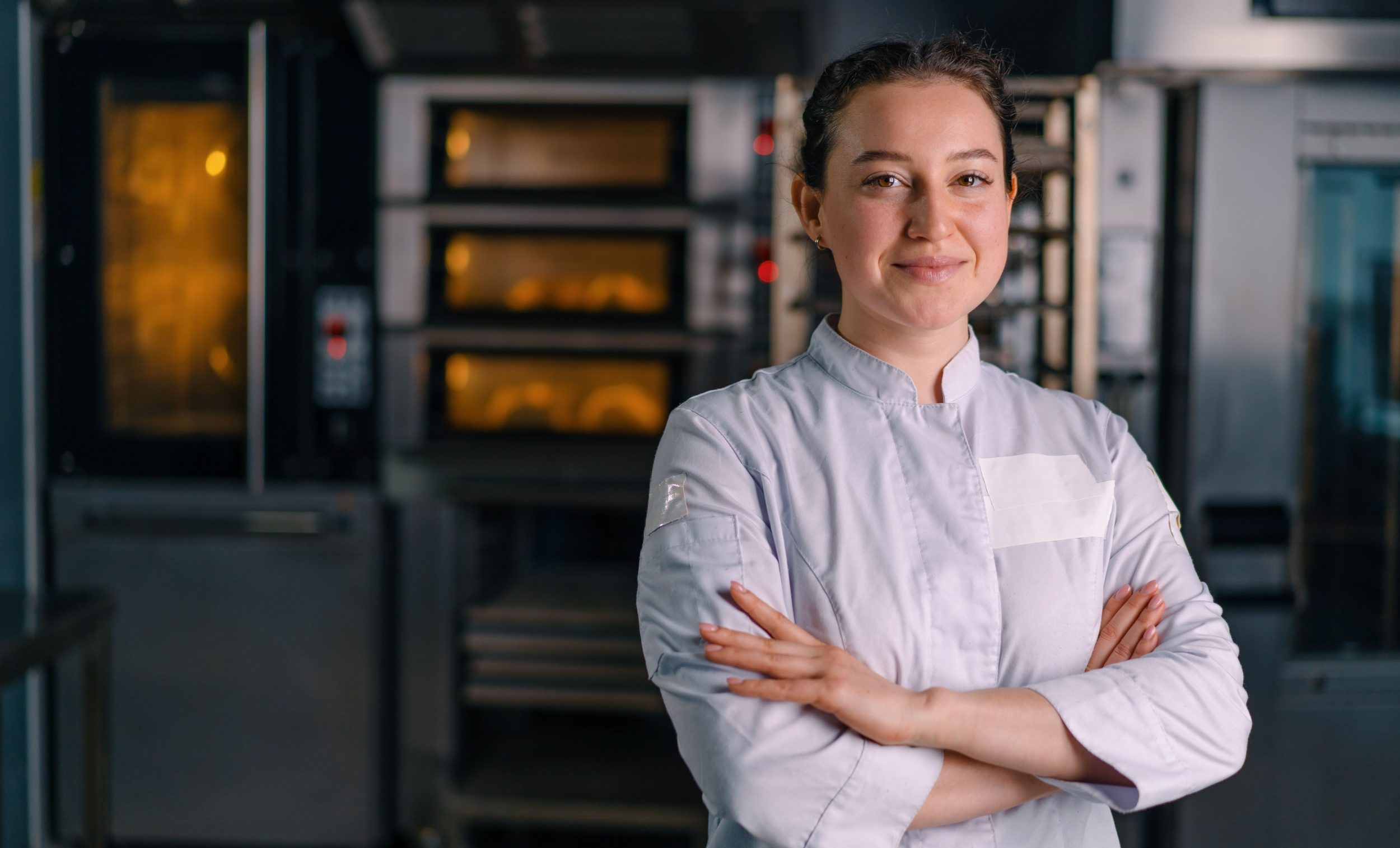
Level 5 Professional Chef Course
Course Description :
- Certificate: Yes(Free)
- Accreditation: CPD Accredited
- Access: Lifetime