
No products in the basket.
Slips, trips, and lifting accidents hurt thousands of workers every year. These accidents make many people miss important workdays and affect their lives. That is why learning how to avoid workplace injuries is very important. You can start by doing small, simple actions to reduce the most common risks and stay safe at work.
In 2025, 680,000 workers reported non-fatal injuries. Another 59,219 incidents were recorded under RIDDOR in Great Britain. In fact, these injuries and incidents together caused 40.1 million lost working days. On average, each injury made a worker take 6.5 days off. These figures clearly show how much accidents can impact both workers and the workplace.
Let’s look closely at workplace safety and how to prevent injuries to keep yourself and your team safe.
Common Workplace Injuries
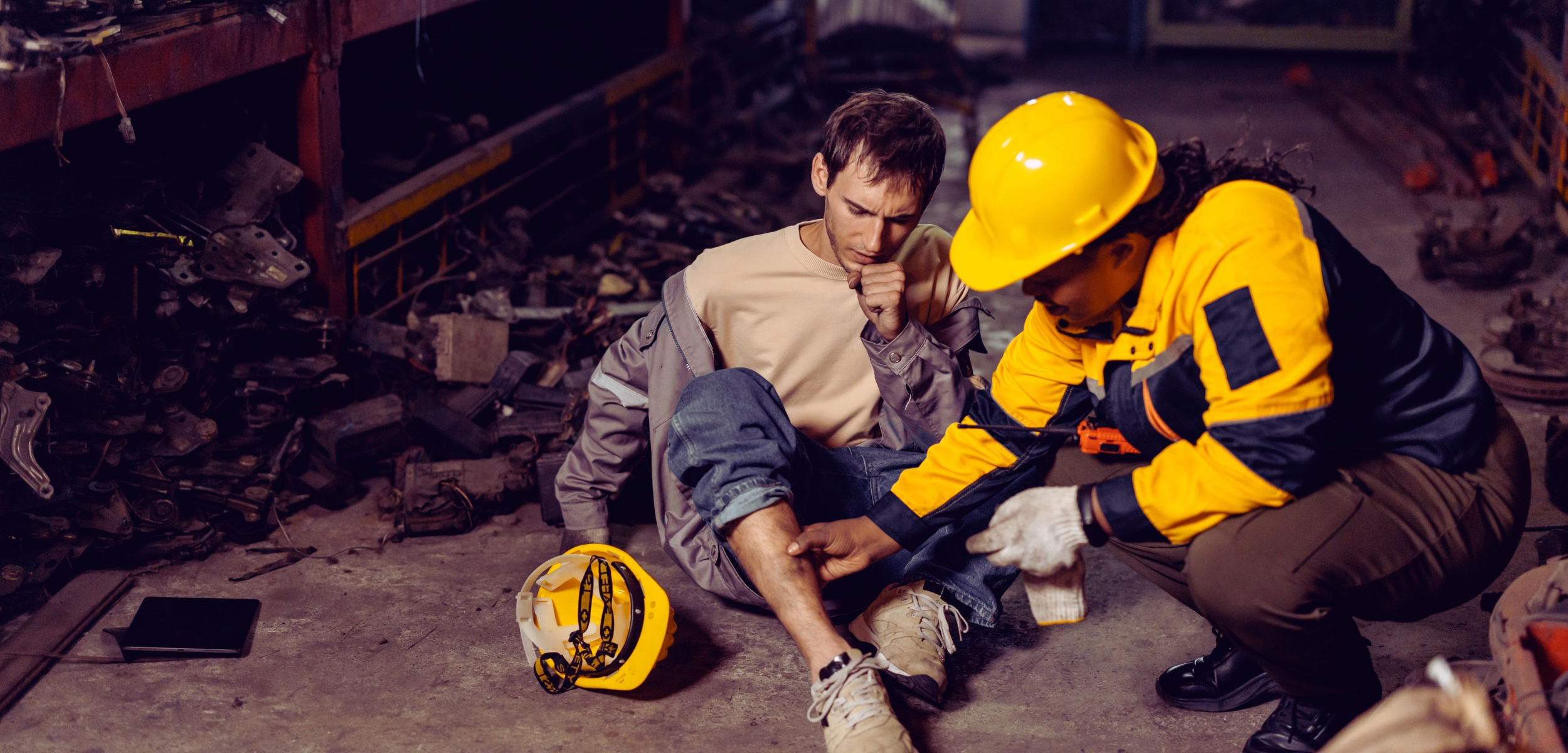
According to HSE (Health and Safety Executive), the most common workplace accidents in 2025 are:
Slips, trips, or falls on the same level (30%)
- Wet or slippery floors
- Walkways are blocked with clutter
- Uneven surfaces
Handling, lifting, or carrying injuries (17%)
- Lifting heavy items the wrong way
- Carrying awkward or heavy loads
- Twisting or bending while lifting
Other accidents
- Being hit by moving objects (10%)
- Acts of violence (10%)
- Falling from height (8%)
Other accidents at work include burns, cuts, trips over cables, eye injuries, and accidents from poor lighting. But slips, trips, and lifting accidents are the most common. In fact, these cause almost half of all reported non-fatal injuries at work.
Why Injury Prevention Matters
Workplace injuries and ill-health took 40.1 million working days in 2025. Each injury took about 6.5 days for a worker. This really matters because every lost day affects someone’s life, their team, and the work they need to finish. Even a small injury can bring stress, worry, and extra costs. This is why small daily habits make such a big difference.
When you keep your space clean, lift the right way, and plan your tasks, you protect yourself. At the same time, you also keep the people around you safe. HSE also shared that the current working conditions cost £22.9 billion in 2025. This shows how important it is to prevent injuries before they happen.
How to Avoid Workplace Injuries
Spotting Hazards at Work
Before starting any task, follow a simple routine:
STOP → THINK → CHECK.
First, stop and focus on what you are going to do. Next, think about the risks around you, like energy sources, moving vehicles, electricity, chemicals (check the SDS), heights, or edges. Then, check your area and equipment to make sure everything is safe.
Hazards can come in many forms. Temporary risks include wet floors, trailing cables, or stacked loads that could fall. Seasonal risks, like ice in winter or very hot weather, can also be dangerous. Even small problems, like cluttered walkways or poor lighting, can cause accidents. Paying attention to these hazards keeps everyone at work safer.
Keeping the Workplace Tidy
A clean workplace keeps everyone safe. Because slips, trips, and falls cause 30% of all reported non-fatal injuries, it is important to keep walkways clear and floors dry. At the same time, manage cables carefully and clean up spills right away using the proper tools.
Good daily habits make a big difference. For example, spend five minutes at the start and end of each shift to organise tools and materials. Also, use labelled storage so items are easy to find, and keep dangerous materials, like flammables or corrosives, apart to prevent accidents. By doing this, you make the workplace safer and easier for everyone.
Importance of Proper Training
Proper training keeps everyone safe at work. Induction and refresher sessions should cover key topics like manual handling, working at height, and handling chemicals (COSHH). They should also include using PPE, following standard procedures (SOPs), and knowing what to do in an emergency.
Next, it is important to check who attends and how well they understand the training. Managers can use short quizzes or on-the-job sign-offs to do this. By doing this, they can find gaps and plan extra training so everyone stays confident and safe.
Safe Lifting and Carrying
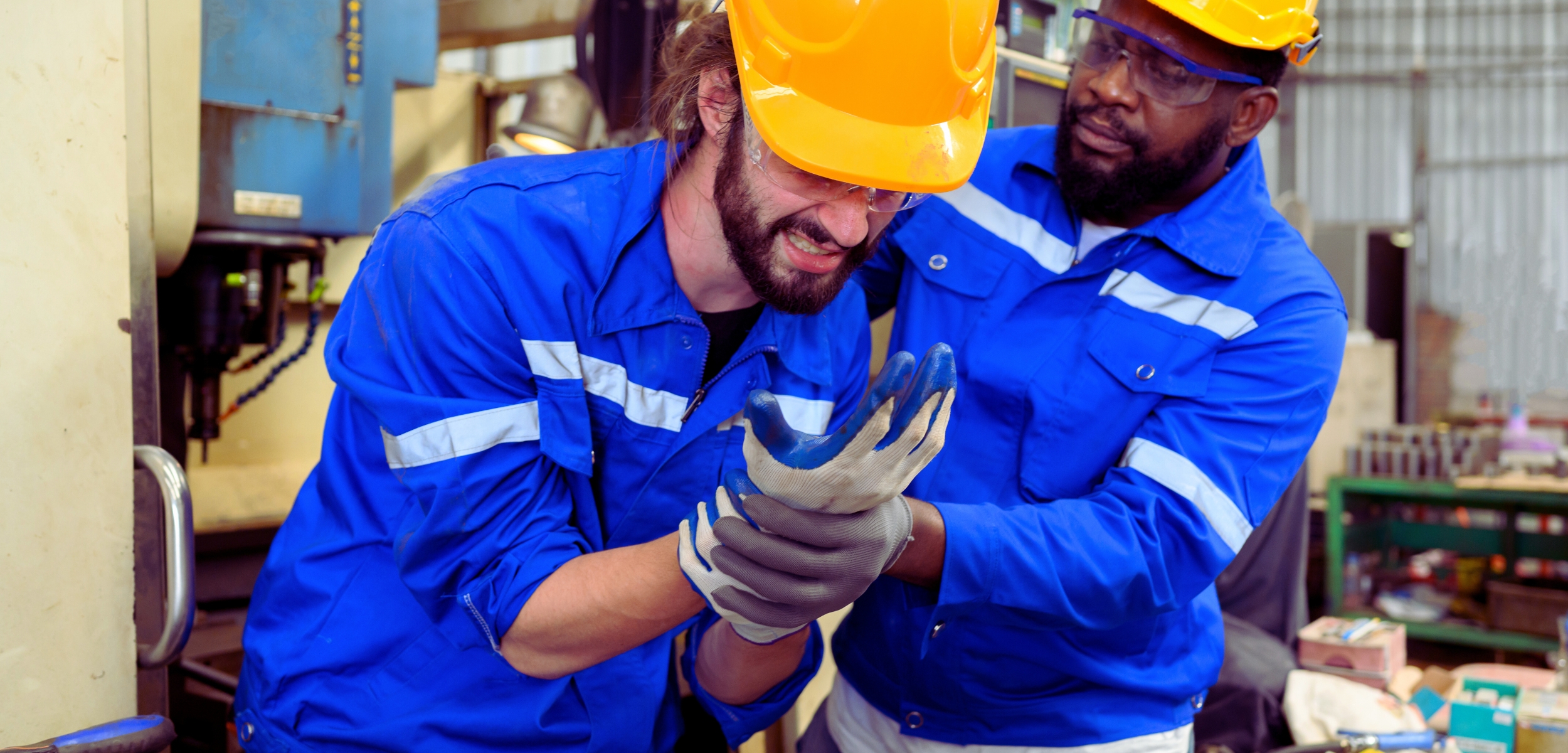
Lifting and carrying items at work can cause injuries if done incorrectly. To begin, check the load and plan your path. At the same time, see how heavy or awkward the item is and make sure the way is clear. Then, keep your back straight and hold the load close to your body. Avoid twisting and turning by pivoting your feet. For heavy items, work with a teammate or use trolleys or hoists.
HSE does not set a fixed “safe” weight. Instead, think about the weight, size, shape, your posture, the distance, and the conditions. Lifting the wrong way or carrying too much can cause injury. By following these steps, you keep yourself and others safe at work.
Using PPE Correctly
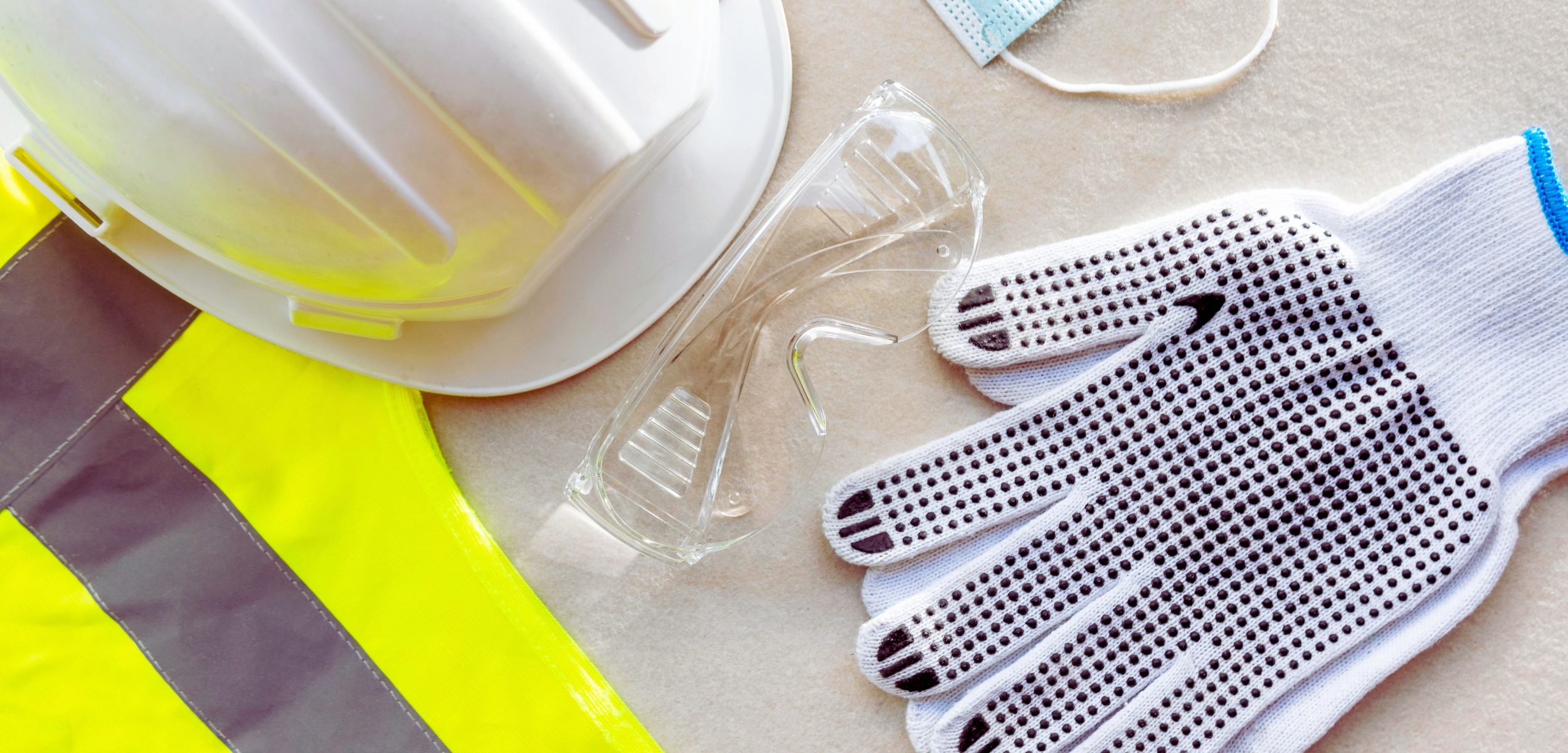
Using PPE (personal protective equipment) keeps you safe from dangers at work. Remember, PPE should be the last line of protection after removing hazards, using safer alternatives, or other safety measures.
Always pick the right PPE for the job. This includes:
- Eye and face protection
- Gloves
- Helmets
- Safety shoes
- Hearing protection
- Respirators (RPE)
- Fall arrest gear
After that, make sure tight-fitting respirators are tested for a proper fit. Also, replace any damaged equipment and store all PPE clean and dry. Doing this keeps everyone at work safe from harm.
Communicating for Safety
Good communication keeps everyone safe at work. Start by having a short briefing before each task so everyone knows what to do and what risks to watch for. Then, use tools like:
- Hand signals
- Radios
- Visible signs
These help prevent accidents and keep everyone aware. Also, do end-of-shift handovers to share important updates.
Lastly, encourage a speak-up culture. Workers should stop to ask questions, clarify instructions or report hazards right away. When everyone talks openly, problems get noticed and fixed quickly. Clear communication or sharing instructions clearly protects you and your coworkers every day.
Reporting Hazards and Near Misses
A near miss is an event that could have caused harm but didn’t. Think of it as a free lesson that shows what might go wrong. Always record hazards and near misses right away so they can be fixed quickly.
Make reporting easy for everyone. You can use a QR code, an app, or a simple one-page form. Also, include hazard symbols when reporting chemicals or other dangerous items. Then, give feedback on the fixes so people see the results and know that reporting helps. This way, workers stay alert, problems get fixed faster, and the workplace becomes safer for all.
Employer Responsibilities
Employers set the tone for a safe workplace. Their key duties include:
- Spot risks before they cause problems
- Put safety measures in place using the hierarchy of controls (eliminate, substitute, engineer, administrative, PPE)
- Train and guide workers so everyone follows safety rules
- Listen to staff and involve them in safety decisions
- Keep machines and ventilation working properly
- Investigate accidents quickly and learn from them
Additionally:
- Check the top risks every month and make sure fixes are done
- Report serious incidents under RIDDOR
Taking these actions creates a safer workplace where everyone can do their best.
Final Thoughts on Staying Safe at Work
The best way to learn how to avoid workplace injuries is by practising safe habits every day. It all starts with simple actions. Keep your workspace tidy, lift items carefully, wear your PPE correctly, speak clearly, and report near misses. Doing these things regularly helps your team prevent most accidents before they happen.
To make it easier, put a 1-page safety checklist at each workstation. Include these steps in your next toolbox talk so everyone remembers them. Little habits like these add up and keep the workplace safe and free from accidents for everyone.
FAQs
What is the best way to prevent workplace injuries?
Look out for hazards, follow safe work practices, use the right tools and PPE, get proper training, and report near misses.
What are the 5 guidelines for preventing injury?
- Spot dangers around you
- Plan tasks carefully
- Use the right tools and safety gear
- Stick to safe work procedures
- Speak up and report hazards
What are the 5 E’s of accident prevention?
- Education – teach safety to everyone
- Engineering – make machines and tools safe
- Enforcement – follow the rules
- Emergency planning – be ready for accidents
- Evaluation – check and improve safety regularly
What are the 4 C’s of safety?
- Culture – make safety part of daily work
- Competence – train people well
- Compliance – follow safety rules
- Communication – share safety tips and updates
What are the 4 P’s of HSE?
- Policy – set clear safety rules
- Procedure – show how to work safely
- People – involve and train the team
- Practice – use and monitor safety every day
What is the ABC of safety?
- A – Awareness of risks
- B – Behaviour that stays safe
- C – Control hazards before they hurt
What are the 7 steps of safety?
- Notice hazards
- Understand the risks
- Plan how to stay safe
- Take action to control risks
- Train everyone properly
- Keep an eye on safety practices
- Review and improve continuously