No products in the basket.
What is an Early Years Practitioner? An early years practitioner is a professional who teaches and cares for children aged birth to five. They work in nurseries, preschools, and primary schools to support early learning. Essentially, they ensure every child gets the best start in life through play and care. They are trained professionals who teach and care for children from birth to five years old in nurseries, pre-schools, and playgroups.
These specialists make sure children are safe, happy, and learning new things every day through fun games and play. They help small children make friends, build strong bodies, and practice talking.
Working in childcare is a big responsibility, but it is also a very rewarding job. In the UK, a qualified practitioner can earn around £22,000 a year when starting out. This career is perfect for anyone who loves working with children and wants to help them grow.
What is an Early Years Practitioner?
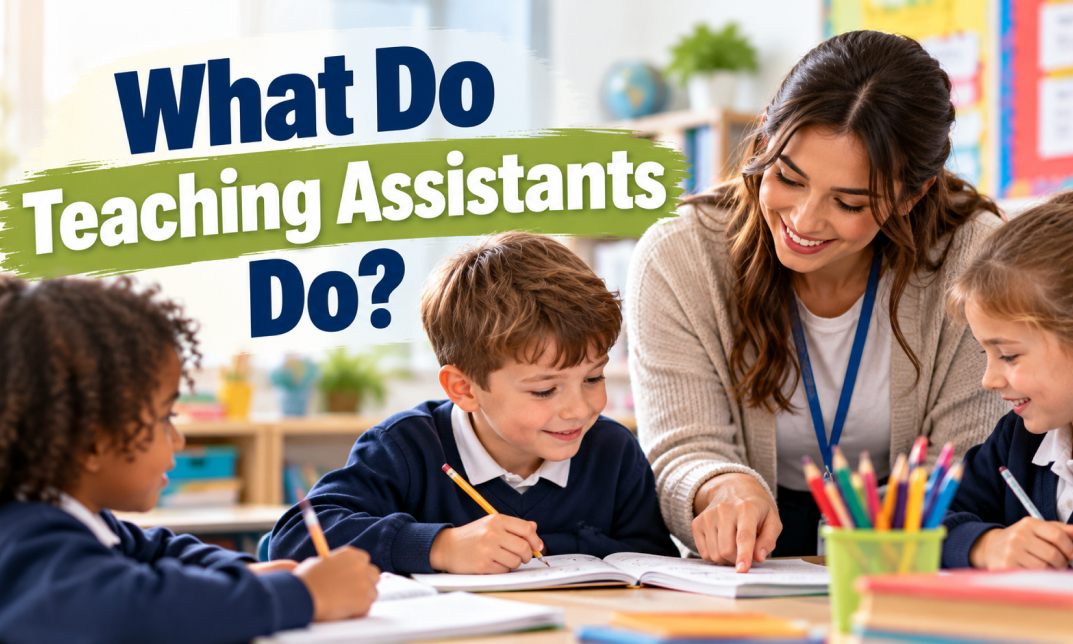
An early years practitioner looks after young children and helps them learn and grow. They usually work with children from birth to five years old. They work in nurseries, pre-schools, and other early years settings. Their main job is to keep children safe, happy, and busy.

An early years practitioner plans fun activities for children. These may include drawing, singing, reading, building, and outdoor play. These activities help children learn new skills.
They also help children learn to share, talk, listen, and work with others. They support children with daily tasks, such as eating, washing hands, and getting dressed.
Early years practitioners watch how children learn and grow. They share important updates with parents and other staff. A good practitioner is kind, patient, caring, and good at working with children. They also follow UK safety and childcare rules.
What Do They Do?
An early years practitioner has many important duties. Their main aim is to keep children safe, support their needs, and help them learn through play.
Caring for Young Children
- Helping young children learn, play, and grow is a key part of the role. Each day, they make sure children are safe, happy, and well cared for.
Planning Fun Activities
- Simple and fun activities are planned for children. These may include drawing, painting, singing, reading stories, playing games, and building with toys. Such activities help them learn new skills.
Helping Children Learn
- Through daily play and care, practitioners help youngsters learn how to talk, listen, share and play with others. They also support them in becoming more confident and independent.
Supporting Daily Needs
- Daily care is an important part of the job. Support may include eating, drinking, washing hands, using the toilet, and getting dressed.
Tracking Child Development
- Each child’s progress is watched and recorded. Practitioners note what youngsters can do and where they need help. This helps staff plan activities for each child.
Working With Parents
- Good communication with parents and carers is also important. Updates are shared about the child’s learning, behaviour, and daily activities.
Keeping Children Safe
- Safety remains a key part of the role. Play areas are checked, safety rules are followed, and children are watched during indoor and outdoor play.
What Skills Does an Early Years Practitioner Need?
Caring for young children requires several important skills. These skills help them support learning, build trust, and keep children safe.
Communication Skills
Clear and friendly communication is important. Practitioners need to speak with children, parents, carers, and other staff. They should also listen carefully to what others say.
Patience and Empathy
Young children learn at different speeds. Patience helps practitioners stay calm when a child needs more time or support. Empathy also helps them understand how a child may be feeling.
Teamwork
Working well with others is a key part of the role. Practitioners often work as part of a team to plan activities, share information, and care for children.
Observation Skills
Good observation helps staff notice how a child is learning and developing. They can spot changes in behaviour and see when a child may need extra help.
Organisation
Being organised helps practitioners manage daily tasks. They may need to prepare activities, keep records, and follow daily routines.
Creativity
Fun and creative ideas can make learning more enjoyable. Drawing, music, stories, games, and crafts can help children learn through play.
Safeguarding Awareness
Keeping children safe is a vital duty. Practitioners need to understand safeguarding rules and know how to report any concerns about a child’s safety or wellbeing.
What Qualifications Do You Need to Become an Early Years Practitioner?
Caring for young children is an important job. The right training and qualifications can help you gain the skills needed for this role.
Many employers look for an early years or childcare qualification. The level you need can depend on the job and the setting. Some roles may also accept suitable work experience.
Level 2 and Level 3 childcare courses are common choices. A Level 2 course can help you learn the basics of childcare. A Level 3 course gives you more skills and knowledge for working with young children.
An apprenticeship is another way to enter the early years sector. You learn while working in a real childcare setting. You also spend time studying and working towards a recognised qualification.
Some employers may also ask for GCSEs or similar qualifications. English and maths may be useful for many childcare roles. Entry rules can differ between jobs and training providers.
First aid training is useful when working with young children. It helps staff know what to do if a child has an accident or becomes unwell. Some early years settings may require paediatric first aid training.
The best route depends on your career goals and the type of early years setting where you want to work. Always check the entry rules before choosing a course.
What Is an Early Years Practitioner’s Role in Child Development?
The early years are an important time for a child’s growth and learning. They help children learn new skills, build confidence, and understand the world around them.
Supporting Learning Through Play
Children learn a lot through play. Practitioners plan activities that support different areas of development. Drawing, painting, and building can help improve hand and finger skills. Running, jumping, and outdoor games help children build strength and balance.
Helping Speech and Social Skills
Talking and reading with children can support their speech and language skills. Practitioners listen to children and encourage them to use new words. They also help children learn how to share, take turns, and make friends.
Supporting Emotional Growth
Practitioners create a warm and caring space where children feel safe. They also help children name their feelings and learn how to manage them.
Watching Child Progress
Each child grows and learns at their own pace. Practitioners watch how children learn and keep simple records of their progress. This helps them understand each child’s needs. They can then plan suitable activities to support learning and growth.
Working With Parents and Carers
Working with parents and carers is another important part of the role. Practitioners share updates about a child’s progress and listen to any concerns.
Building Skills for the Future
With the right support, young children can build strong skills that help them as they move into school and later life.
How Much Does an Early Years Practitioner Earn in the UK?
Early years practitioner pay can vary by experience, location and employer. In the UK, a nursery worker can earn around £16,000 a year when starting. Experienced workers can earn up to £24,000 a year, according to the National Careers Service.
Current salary data also shows that nursery practitioners earn around £25,480 a year on average. This figure comes from recent UK salary data updated in August 2026.
New workers may earn around £21,000 to £24,000 a year, depending on the job and employer. A Level 3 early years practitioner may earn around £23,000 to £27,000 with the right skills and experience.
Pay can also rise as you gain experience. For example, a room leader may earn around £26,000 to £29,000 a year. Senior roles can offer more.
Location can also affect your pay. Jobs in London and other large cities may offer higher salaries. However, pay can differ between private nurseries, schools and local authorities.
What Are the Challenges of Being an Early Years Practitioner?
Being an early years practitioner can be a rewarding job. However, the role can also bring some challenges. Practitioners need to stay calm, caring and organised each day.
Managing busy rooms
- Early years rooms can become very busy. Practitioners may care for several children at once. So, they need to watch the children closely. They also need to plan activities and keep the room safe.
Supporting different needs
- Every child is different. Some children may need extra help with learning or communication. Others may need more support with their feelings or behaviour. Practitioners need to understand these needs and give suitable support.
Physical demands
- The job can be active throughout the day. Practitioners may spend lots of time standing, walking and moving around. They may also help children with daily tasks. Therefore, good energy and care are important.
Safeguarding responsibilities
- Keeping children safe is a key part of the job. Practitioners must follow safeguarding rules at all times. They also need to spot signs of harm or neglect. If they have any concerns, they must report them to the right person.
Working with parents and carers
- Practitioners often talk with parents and carers. They may share updates about a child’s day and progress. However, some talks can be difficult. So good communication and a calm approach can help build trust.
Is an Early Years Practitioner a Good Career in the UK?
Yes, being an early years practitioner can be a good career in the UK. The role gives you the chance to help young children learn and grow. Also, many early years settings need skilled and caring staff.
There are different career paths to explore. You can start as an early years assistant and gain useful work skills. Then you can move into a practitioner or senior role. As you gain more experience, developing skills in areas such as Behaviour Management training can also help you feel more confident when supporting children with different needs and behaviours.
With more training and experience, you can become a room leader or nursery manager. These roles often involve supporting other staff and creating a positive and safe environment where children can learn and develop.
There are also several ways to enter this career. You can study a college course or complete an apprenticeship. You can also gain a recognised early years qualification while working, while additional training can help you build the practical skills needed to progress in the early years sector.
The job can offer good long-term growth. You can take more training and move into higher roles over time. However, the role can be busy and needs patience.
This career may suit people who enjoy working with children. Good communication, kindness and teamwork are also important. If you enjoy helping children, this could be a rewarding career choice.
Conclusion on What Is an Early Years Practitioner
The role of a practitioner is both challenging and rewarding. It needs some formal training and most importantly a very kind heart. You must follow the EYFS framework to ensure every child succeeds. Whether you work in a nursery or a school, you make a difference. The UK needs more dedicated people to join this vital workforce right now.
If you enjoy working with children, this could be the right job for you. So why not take the first step towards your new career today? Check local UK job boards to see what jobs are available now. You can also contact local colleges about Level 2 apprenticeships. Finally, remember that your journey into UK childcare starts with just one simple step.
Frequently Asked Question (FAQs)
1. Do you need qualifications to be an early years practitioner?
- Yes. Many employers ask for a Level 2 or Level 3 early years qualification. You may also need a DBS check and first aid training.
2. What does an early years practitioner get paid?
- An early years practitioner can earn around £21,000 to £27,000 a year. Pay can vary by experience, location and employer.
3. Are early years practitioners teachers?
- Not usually. Early years practitioners support children’s learning and development. Early years teachers need specific teacher training and qualifications.
4. What are the responsibilities of an early years practitioner?
- They care for children and support their learning through play. They also follow EYFS rules, keep children safe and work with parents.
5. Can I be an early years teacher without a degree?
- Usually, you need Early Years Teacher Status (EYTS). Some training routes may not require a traditional degree, but entry rules can vary.
6. What is EYFS teacher salary?
- An early years teacher can earn around £30,000 to £46,000 a year. Pay depends on experience, location and the employer.
7. Can I work in a nursery without qualifications?
- Yes, some nurseries hire people without formal qualifications for entry-level roles. However, you may need to gain a recognised qualification while working.

Level 2 Behaviour Management in the Early Years
Course Description :
- Certificate: Yes(Free)
- Accreditation: CPD Accredited
- Access: Lifetime