
No products in the basket.
What Is Health and Safety?
Health and safety questions are a set of rules that schools and workplaces follow to stop people from getting hurt or becoming ill. It focuses on keeping the building clean, the equipment working, and the students happy while they study. Because everyone follows these rules, the school becomes a much better and more organised place to learn and play. Every person has an important role to play in keeping the environment safe and free from accidents. For example, teachers check the classrooms for hidden dangers, while students help by being careful, tidy, and sensible during their lessons.
Therefore, understanding these basic ideas helps you stay away from hazards and stay healthy every day. These simple rules act like a defence that protects you from harm. In the end, following them keeps everyone in your class smiling and safe.
What is the Main Focus of Health and Safety Questions?
The main focus of health and safety involves protecting people from harm and keeping every environment safe for work or play. You can understand this focus by looking at these key areas:
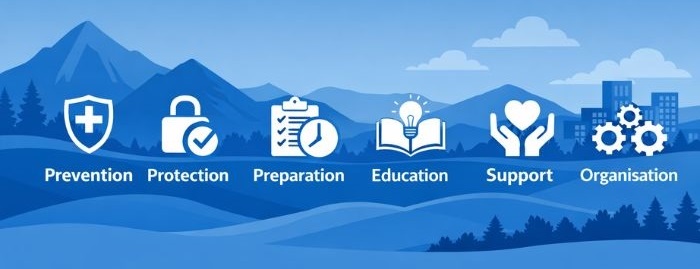
- Prevention: Detecting a danger like a spilt drink and cleaning it up before a friend slips on it.
- Protection: Using the right gear, such as wearing a sturdy helmet while you ride your bike or scooter.
- Preparation: Learning exactly what to do when the fire alarm rings so you can exit the building quickly.
- Education: Teaching everyone about the rules so they know how to handle tools and equipment correctly.
- Support: Helping people when they feel unwell or need a first aid kit for a small scrape.
- Organisation: Keeping walkways and desks tidy so that nobody trips or loses their equipment.
Why Must We Keep Fire Exits Clear at All Times?
Fire exits are special doors that help everyone get out of a building very fast if there is an emergency. These exits provide a clear path to safety when the normal hallways might have smoke or heat. If a box, a chair, or a heavy bag stays in the way, people might fall over or get stuck when they are in a big hurry. Consequently, even a small toy on the floor can become a major danger during a fire drill. You must always ensure that nothing blocks these important doors so that every student can walk out safely. Keeping the path clear shows that you are a great helper who cares about your friends.
Check your classroom doors every morning to make sure they can open fully and without any trouble. A clear exit saves lives and keeps everyone calm during a surprise because people can move without fear. Your quick actions help the whole school stay safe and ensure that nobody gets left behind during an evacuation.
Is It Safe to Run Inside the School Hallways?
Running inside can be very dangerous because the floors might be slippery or hard. If you run, you might bump into another person or hit the sharp corner of a desk. Furthermore, walking calmly helps you stay in control of your body and gives you more time to see any hazards in your path. Consequently, you protect yourself and your friends from nasty bumps or bruises. Therefore, always choose to walk sensibly so that everyone stays safe and happy while moving around the building.
What Should You Do if You See a Broken Wire?
If you see a broken wire, you must act quickly and follow these safety steps to protect yourself and your classmates:
- Stay away from the wire and do not touch it at all.
- Tell a teacher immediately about the break.
- Put a chair or a sign near it so other children do not go close.
- Keep your friends away from the area until an adult arrives.
- Leave the wire alone and wait for a professional to fix the problem.
Why Do We Wash Our Hands Before We Eat Lunch?
Germs are tiny living things that can make you feel very poorly. They love to hide on your hands after you play outside or touch your desk. Consequently, using soap and water to wash your hands washes those germs away. This simple habit is one of the best ways to practise good health and safety.
How Do Signs Help Us Stay Out of Danger?
Safety signs use bright colours and simple shapes to give us important information without using many words. These signs act as a silent guide that warns us about hazards or shows us the quickest way to find help. By paying attention to these symbols, you can understand the rules of a room before you even walk inside. For example, a sign on a door might tell you to keep out or remind you to wear a hard hat. Looking at signs every day helps you make smart choices that keep you and your friends away from accidents.
Therefore, you should learn what each colour means so you can react quickly in any situation:
- Yellow signs usually warn us about a specific hazard, like a slippery floor.
- Red signs often tell us about things we must not do to stay safe.
- Green signs show us the way to safety or where to find first aid kits.
- Blue signs give us instructions on what we should wear or do.
- Bright signs help us find exits and equipment even if we feel a bit worried.
Who Can You Talk to About Safety Concerns?
If you feel that something is not safe, you should always speak to a trusted adult. This could be your teacher, a playground assistant, or even your parents at home. They have the tools and the knowledge to fix the problem correctly. Sharing your thoughts helps make the whole school a much better place for everyone.
Can You Identify a Hazard in the School Kitchen?
A school kitchen is a busy place where cooks use heat and sharp tools to prepare food for everyone. You can help keep this area safe by learning to identify these common dangers:
- Wet patches or spills on the floor might make someone slip.
- Sharp knives or heavy pots left near the edge of a counter.
- Hot steam rising from large pans or boiling kettles.
- Loose cables from kitchen machines that could trip a person.
- Open oven doors that block the path for people walking past.
The kitchen contains many items that can cause accidents if people do not use them with great care. Because the staff cooks hot food and uses sharp tools, you must always follow the safety rules before you enter this area. Identifying a hazard early prevents a small problem from turning into a big accident. For instance, a puddle of water on the tiles can cause a nasty fall. while a hot stove can cause a painful burn. By staying alert and being sensible, you help keep the school kitchen a safe place for the cooks to prepare your delicious meals.
How Should You Safely Carry a Pair of Scissors?
You should always hold scissors by the closed metal blades while you walk. This keeps the sharp points tucked inside your hand so you do not poke yourself or a friend. Furthermore, you should always walk slowly when you are moving from one desk to another. Sitting down before you start cutting is the smartest way to work.
Why Is It Important to Wear a Helmet While Cycling?
Your brain is very soft and needs a hard shell to protect it if you fall off your bike. A helmet acts like a shield that soaks up the bump so your head stays safe. Even if you are just riding on the pavement, wearing your gear is a vital rule. It is much better to be safe and stylish than to have an accident.
How Should You React if the Fire Alarm Sounds?
If the fire alarm rings, you must stay calm and follow these important steps to get out of the building safely:
- Stop what you are doing immediately and listen to the expert.
- Line up quietly and walk to the nearest exit.
- Do not stop to pick up your bag or your coat.
- Stay with your class at the assembly point until you are told it is safe.
Is It Okay to Play With Electrical Sockets?
Electrical sockets carry a lot of power that can give you a painful shock. You should never put your fingers or any objects like pencils into the holes. Instead, let a grown-up handle any plugs or wires that need to be moved. Respecting electricity is a major part of being a safety expert.
What Does a Wet Floor Sign Tell Us?
When cleaners mop the floor, or someone spills a drink, the tiles become very slick and dangerous. A wet floor sign acts as a loud warning without making any noise, telling you that the ground cannot grip your shoes properly. If you ignore this sign and keep running, you might slip and hurt your head or your back on the hard floor. Furthermore, these signs protect everyone in the school by pointing out exactly where the floor needs time to dry. Therefore, you must respect the sign and stay alert until the area is safe and dry for everyone to use again.
Why Should We Keep Desks Tidy During Lessons?
Keeping your workspace neat helps you stay focused and prevents accidents while you learn in the classroom. You can maintain a great study area by remembering these points:
- A messy desk makes it very easy for things to fall on the floor.
- Spilling water over your books creates a slippery mess and ruins your hard work.
- A neat station helps you find your equipment much faster.
- Clean spaces ensure that your feet have plenty of space under the table.
Ways to Avoid Getting Hurt While Using the Stairs?
Walking on the stairs requires your full attention because a single trip can lead to a painful fall. You must always hold the handrail firmly so that you have extra balance as you move between floors. Furthermore, you should keep your eyes on the steps rather than looking at your phone or talking to friends behind you. Walking one step at a time ensures that your feet have a solid place to land, which prevents you from slipping or losing your footing. Consequently, keeping the stairs clear of bags and coats allows everyone to move up and down safely without any obstacles. Therefore, moving slowly and sensibly on the stairs protects you and everyone else using the school building.
What Is the Purpose of a First Aid Kit?
A first aid kit contains special bandages and wipes to help when someone has a small injury. It is there to stop stings, cuts, or bumps from getting any worse. However, only adults should open the kit and use the items inside. Knowing where the kit is kept is a very helpful piece of information.
Can Wearing the Right Shoes Keep You Safe?
The shoes you wear play a big part in keeping you safe.
- Rubbery soles help you grip the floor so you do not slip.
- Laces must be tied tightly so you do not trip over them.
- Flip-flops are not very safe for running or playing sports.
Why Must We Never Shout in an Emergency?
In a dangerous situation, the most important thing is to hear the instructions from the adults in charge. If everyone is shouting, it becomes very hard to know what to do next. Staying quiet helps everyone remain calm and focused. This allows the group to move to a safe place much more quickly.
How Do We Stay Safe Near a Busy Road?
It is important to use these easy steps to remain secure around busy roads:
- Stop at the kerb and look both ways for cars.
- Listen for the sound of engines or sirens.
- Hold a mature hand while you cross the street.
- Use a zebra crossing or a traffic light whenever possible.
What Should You Do if You Spill Your Water??
Immediately tell your teacher or an adult so they can help you dry the area. If you leave the water on the floor, someone might walk past and slip. In addition, you can use paper towels to soak up the liquid if it is safe to do so. Taking action right away prevents a small spill from becoming a big problem.
How Can Sunlight Be a Health and Safety Issue?
On very hot days, the sun can burn your skin or make you feel dizzy. Wearing a hat and putting on sun cream are two great ways to protect yourself. Drinking plenty of water is also essential to keep your body cool. Safety involves looking after your body from the outside and the inside.
Is It Safe to Stand on a Chair to Reach Something?
Chairs are designed for sitting and can easily tip over if you stand on them. If you cannot reach a book or a toy, you should ask an adult for help. Using a proper step ladder is much safer because it is built to be sturdy. Always remember that your balance is not as strong when you are on a wobbly surface.
What Should You Do if You Feel Unwell at School?
You should tell your teacher as soon as you start to feel sick. They can take you to the school office or call your parents to help you. Resting is often the best way to get better. It also stops any germs from spreading to your friends in the classroom.
How Does Light Help Us Stay Safe?
Good lighting helps you see hazards clearly and stay out of danger:
- Bright lights in hallways help you see things on the floor.
- Torches help you find your way if the power goes out.
- High-visibility vests make you glow when cars drive past at night.
- Emergency exit signs stay lit to show you the way out.
Why Is It Important to Learn About Health and Safety Questions?
Learning these rules gives you the power to protect yourself and the people you care about. It turns you into a responsible member of your school community. Most accidents can be stopped if we just pay attention and ask the right questions. Being safe is a skill that you will use for the rest of your life.
Frequently Asked Questions (FAQs)
1. What are some health and safety questions to ask?
- Common questions include identifying hazards, understanding risks, checking safety procedures, and ensuring workers know emergency actions.
2. What are some good safety questions?
- Good safety questions focus on workplace hazards, protective equipment, training needs, and accident prevention.
3. What are the 5 C’s of health and safety?
- The 5 C’s are competence, control, communication, cooperation, and coordination.
4. What are 10 basic safety rules?
- Ten basic safety rules include following procedures, wearing PPE, reporting hazards, keeping areas clean, using tools safely, and knowing emergency exits.
5. What are 10 good questions to ask?
- Ten good questions can cover risk awareness, safety training, emergency plans, reporting systems, and workplace hazard controls.
6. What are the 7 safety rules?
- Seven safety rules include following instructions, wearing PPE, keeping the workplace tidy, reporting hazards, using equipment properly, staying alert, and following emergency procedures.